

Why Most Korean Sunscreens Still Can't Be Sold in the US, Even After a New FDA Approval
In June 2026 the US Food and Drug Administration added a sunscreen filter called bemotrizinol to the list of ingredients allowed in over the counter sunscreens, its first new active ingredient in that category since the late 1990s. It sounds like the shortcut Korean sunscreen fans have been waiting for, but most of the Korean formulas people actually want still cannot be sold in the United States, because of an 18 month licensing exclusivity and a handful of other filters that remain unapproved there.
What did the FDA actually approve?
The FDA's order allows bemotrizinol to be used at concentrations of up to 6 percent in sunscreens sold in the US, under an amendment to the agency's sunscreen monograph, the rulebook that lists which active ingredients can go into an over the counter sunscreen without a separate approval for every single product. The filter screens out both UVA and UVB rays and has been used for years in European and Asian sunscreens, including many Korean ones, often under the trade name Tinosorb S.
According to Robert F. Kennedy Jr, the US Department of Health and Human Services secretary, the approval will "increase competition and consumer confidence in sunscreen products."
So why isn't my favourite K-beauty sunscreen here yet?
The approval does not hand every brand instant access. For 18 months from the date the first qualifying product reaches the US market, DSM Nutritional Products, the company that requested the approval, and its licensees hold exclusive rights to sell bemotrizinol there. Korean manufacturers that already buy the ingredient through DSM, such as Cosmax, say the exclusivity changes little for them, but a brand without that supply relationship has to wait or find a licensed source first.
Even then, one approved filter rarely fixes a whole formula. Korean sunscreens typically pair bemotrizinol with other UV filters, including bisoctrizole and drometrizole trisiloxane, which are still not on the FDA's approved list. A sunscreen built around that combination cannot simply be shipped to the US as it is sold in Korea, so brands have to develop a separate US compliant version, a process industry estimates put at six months to two years.
Why does Korea allow more filters than the US?
Part of the gap comes down to how each country classifies sunscreen. South Korea regulates it as a cosmetic, while the US treats sunscreen as an over the counter drug, which means a product needs to come from an FDA registered facility that meets drug manufacturing standards before it can reach a US shelf. Even with bemotrizinol added, the FDA's permitted list will run to 17 active ingredients, against 31 allowed under Korean cosmetics law, which is the main reason so many Korean formulas cannot simply cross over unchanged.
What about buying through Olive Young or other retailers?
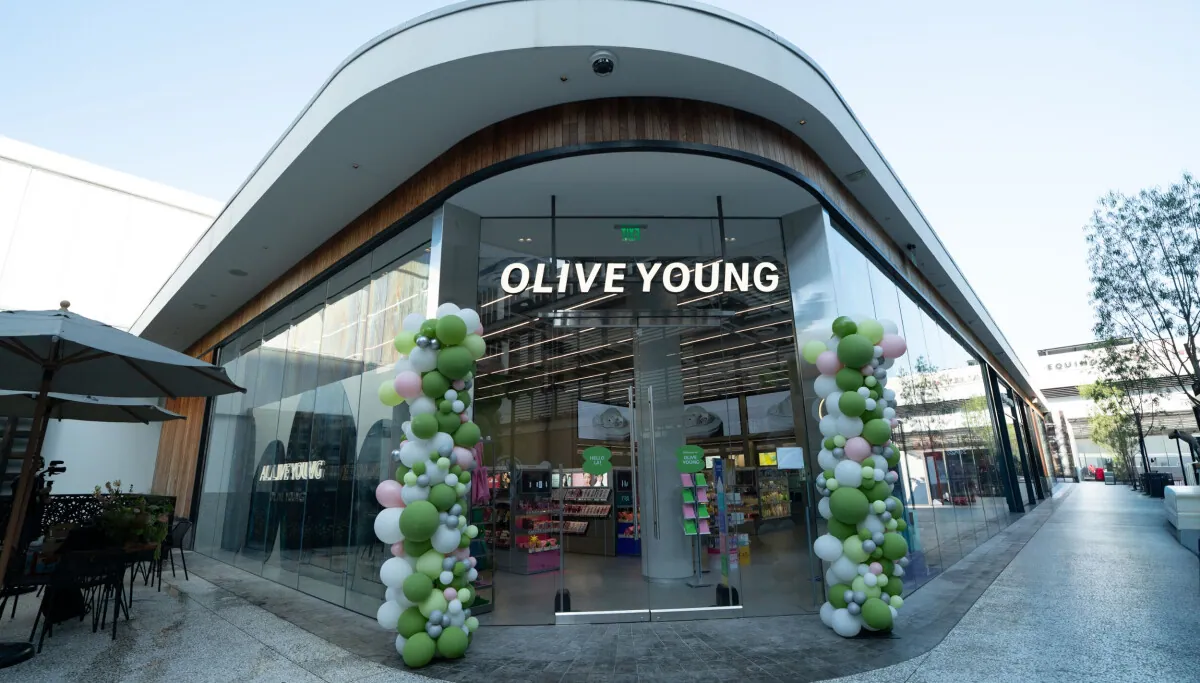
Olive Young Global, the site many US shoppers used for years to order from Korea's full catalogue, stopped serving American customers after the company opened its first US stores in Los Angeles in late May 2026 and launched a separate Olive Young US site. That US site follows FDA rules, so its sunscreen range is smaller than what shoppers in Korea or other countries can buy, and it is not a replacement for the old global site for anyone in the US. Ordering directly from Korea through other overseas retailers for personal use remains possible, but those packages are not guaranteed to clear US customs and buying one does not mean the product has been cleared for sale in the US.
When will this actually change?
Kolmar Korea, one of the manufacturers developing bemotrizinol formulas for the US market, has said it expects products using the ingredient to arrive in earnest in the second half of 2027. The law firm Venable, which has tracked the rule, expects broader availability from other manufacturers only once DSM's exclusivity period has fully run its course, closer to 2028. Until then, the sunscreens filling up beauty counters in Seoul will keep reaching the US mostly through new, separately formulated versions, not as a straight import of what is already on the shelf at home.