

Dermatologists Say Almost Every Viral K-Beauty TikTok Video Is Misleading
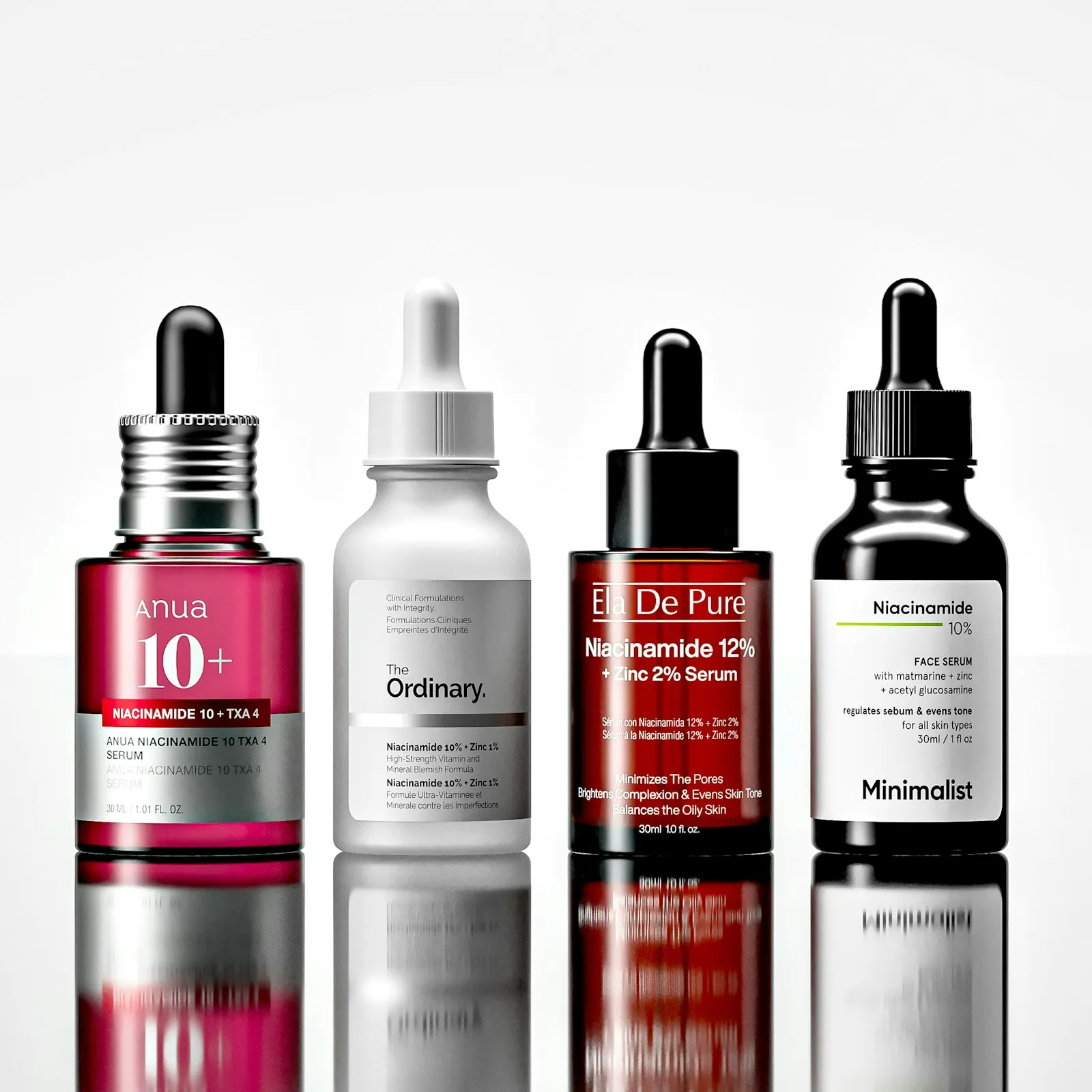
A dermatology study presented at the European Academy of Dermatology and Venereology Congress in Vienna on September 30, 2026 found that 94.7% of the most-viewed Korean skincare videos on TikTok contain at least one misleading claim. The researchers also found that almost none of the videos mention basic safety information, like irritation risk or sun protection, before telling viewers to try a routine.
The study was led by Dr Maria Lúcia Paysano. Her team pulled the top-ranked videos across five Korean skincare search terms using a fresh account with no watch history, so the algorithm couldn't skew results toward any one creator or brand. That left 38 videos after exclusions, which the researchers scored using the Global Quality Scale and a modified version of the DISCERN tool, both standard ways to judge how reliable health content is.
What the videos actually got wrong
Of the 38 videos, 84% never mentioned skin type, treating a routine built for one person's skin as if it would work the same way for everyone watching. 45% pushed combinations of active ingredients without any guidance on how to introduce them safely, and 32% promised results that would show up almost immediately. Every single video in the sample was rated unreliable or less reliable by the researchers' scoring system, and none of them linked out to an external source.
Safety information was close to absent. Only one of the 38 videos mentioned a risk of irritation, and only two brought up sun protection at all. Not one mentioned contact dermatitis, and not one suggested seeing a dermatologist before starting. On top of that, about 82% of the videos came from influencers with no medical background, 11% were posted by beauty brands themselves and 8% came from other beauty content creators. None were made by a dermatologist.
What surprised us most was how consistently basic safety information was absent.
That line came from Dr Paysano, describing the team's reaction to the results. She also noted that viewers should be wary of any video promising universal or instant results, since real skin does not work that way for every person watching.
A second study looked at what happens after people copy these routines
A separate study at the same EADV Congress, led by Dr Ouissal Hormi, tracked 94 patients who developed a new or worsening skin condition after trying a product they first saw promoted on social media. The products most often blamed were exfoliating acids like AHAs and BHAs at 34%, over-the-counter retinoids at 27%, vitamin C serums at 14% and niacinamide products at 11%.
Nearly half of these patients, 48%, said they had built an entire routine around something they saw online rather than adding one product at a time. 63% were layering more than three active ingredients at once, which is exactly the kind of stacking the first study flagged as rarely explained with any safety context.
The complications reported in that group included irritant contact dermatitis in 42% of cases, new or worsened acne in 28%, rosacea flares or rosacea-like reactions in 12%, post-inflammatory hyperpigmentation in 11% and superficial chemical burns in 7%.
Many patients were reproducing complex skincare routines involving several active ingredients simultaneously.
That observation came from Dr Hormi, describing the pattern she kept seeing in her clinic. Both research teams were careful to frame the problem as how routines get copied, not as a verdict on Korean skincare itself. The concern is generic, one-size-fits-all layering that skips the step of checking whether a routine actually fits the skin type and conditions of the person trying it.
It's worth being precise about what the studies did and didn't measure. Neither one claims that any particular brand, product or ingredient is unsafe on its own. The sample size for the TikTok review was 38 videos, and the patient study covered 94 people, both small groups by research standards, and both were presented at a conference rather than published in a peer-reviewed journal at the time of the presentation. What they do show is a pattern: short-form video rewards a confident, universal pitch far more than it rewards a caveat about skin type, and that format mismatch is where the researchers say the real risk sits.
Why this matters if your FYP is full of skincare
If you've ever watched a seven-step routine video and added three new serums to your cart before the sound even changed, this research is basically describing that exact moment. The ingredients getting called out most, niacinamide, vitamin C and exfoliating acids, are also some of the most searched K-beauty actives of the past year, which is part of why they show up in so many viral videos in the first place.
None of this means those ingredients are bad or that Korean skincare brands are doing anything wrong. It means the fifteen-second version of a routine almost never includes the part where a dermatologist would tell you to patch test first, introduce one active at a time and check whether your skin type actually matches the person on your screen. Dr Paysano put it simply: dermatologists have a real opening here to show up in these trends with accurate, evidence-based information instead of leaving the space entirely to influencers.
The researchers didn't name specific brands or creators in either study, and this piece isn't naming any either. The takeaway is less about any one video and more about the habit, screenshotting a routine because it looked good on someone else's face and skipping the part where you figure out if it's right for yours.