

Foreign Beauty Tourists in Korea Are Skipping Surgery for Dermatology
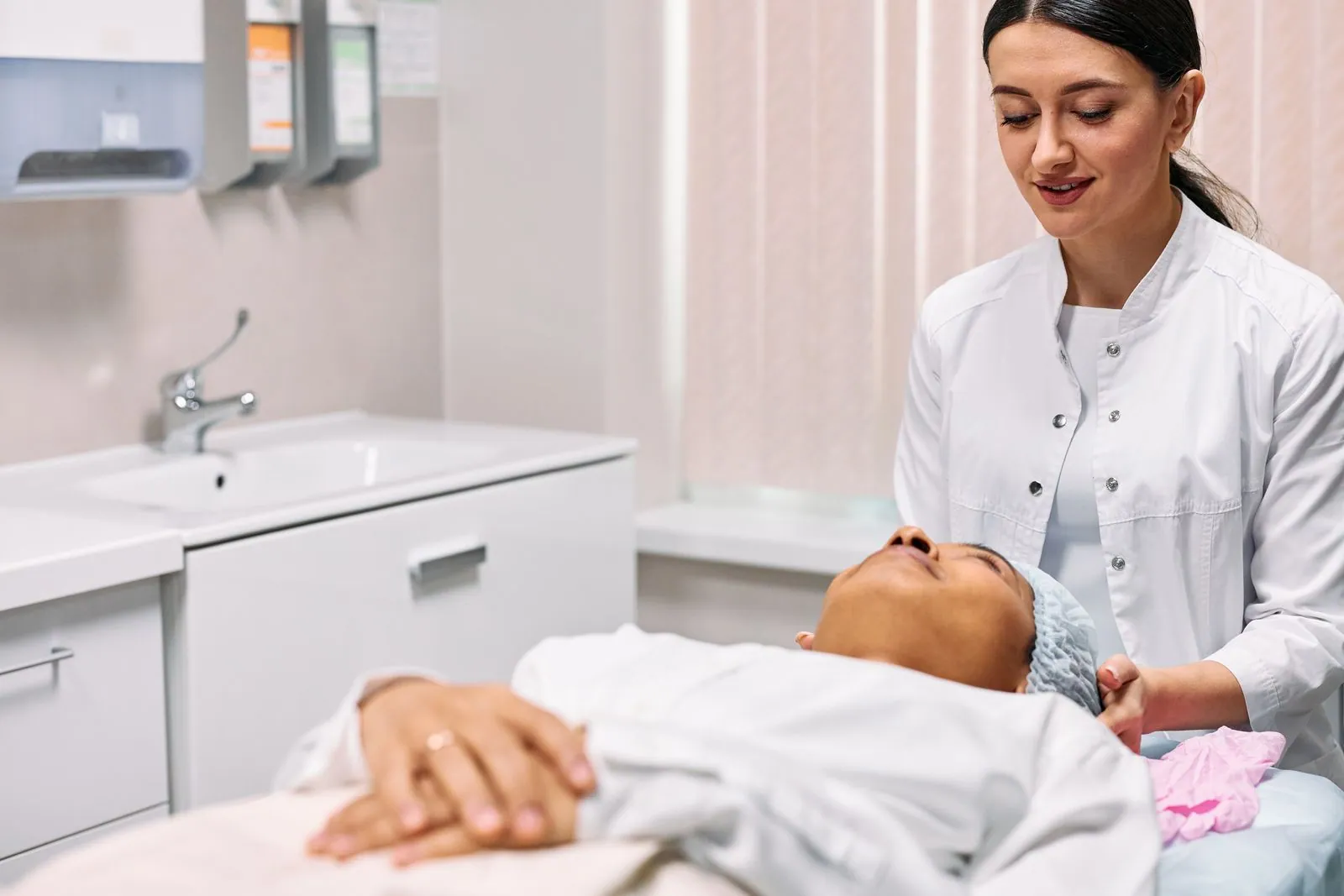
More than two million foreign patients sought medical care in South Korea in 2025, the first time that number has passed two million, and dermatology accounted for nearly two thirds of those visits. Fresh 2026 card-spending data shows the shift away from plastic surgery toward skin treatments is still accelerating, and it is reshaping which Seoul neighbourhoods benefit most.
The Numbers Behind a Record Year
South Korea's Ministry of Health and Welfare announced on April 24, 2026 that 2,011,822 foreign patients visited the country for medical treatment in 2025. Dermatology was the single most visited department, with about 1.31 million visits, or 62.9 percent of the total. Plastic surgery, by comparison, accounted for only 11.2 percent. Clinics rather than hospitals handled 87.7 percent of all visits, and Seoul alone accounted for 87.2 percent of the national total. The ministry pointed to the worldwide popularity of K-beauty as a factor behind the growth, alongside a temporary 15-day visa-free entry scheme for Chinese group tourists that ran from September 2025 to June 2026.
What 2026 Spending Data Adds
A separate analysis of 3.3 million foreign-issued cards by BC Card, reported by The Korea Herald in early August 2026, found that foreign visitors' medical card spending rose 98 percent year on year in the first half of 2026, the fastest growth of any spending category and well ahead of clothing, which rose 56.3 percent. Within that medical spending, dermatology made up 67.5 percent and plastic surgery just 21.3 percent. Two years earlier, in the first half of 2024, the split ran the other way, with plastic surgery at 46.2 percent and dermatology at 32.6 percent. Dermatology spending by foreign visitors grew 109.8 percent year on year in the first half of 2026, more than three times the 35.5 percent growth logged by plastic surgery.
Gangnam Is No Longer the Only Beauty Tourism District
The BC Card data also mapped where that money is going within Seoul, and the picture is shifting away from the city's traditional cosmetic surgery hub. Gangnam's share of the capital's foreign medical spending fell to 39.8 percent in the first half of 2026, down 10.4 percentage points from the same period the year before. Seocho's share climbed 6.7 points to 27.6 percent, and Jung District's share rose 3.4 points to 7.5 percent. Pharmacy spending by foreign visitors also jumped 1,176.9 percent, growing from just 0.3 percent to 2 percent of total medical spending, a sign that aftercare shopping is becoming part of the same trip.
Why It Matters Beyond the Clinic
For readers who follow K-beauty mainly through skincare routines and ingredient trends, this data points to the same underlying shift: Korea's dermatology industry, not its surgical one, is now the bigger draw for people travelling specifically for their skin. The Korea Institute for Industrial Economics and Trade estimated the total economic impact of foreign patients and their companions in Korea at 22.8 trillion won in 2025, built on 12.5 trillion won in direct spending. None of this is a claim that any treatment works or is safe for a given reader; it simply reflects where foreign patients and their money are actually going, according to government and card-network data.
Source: https://www.korea.net/NewsFocus/policies/view?articleId=291325