

Mugwort in Korean Skincare: What Ssuk Actually Does for Your Skin
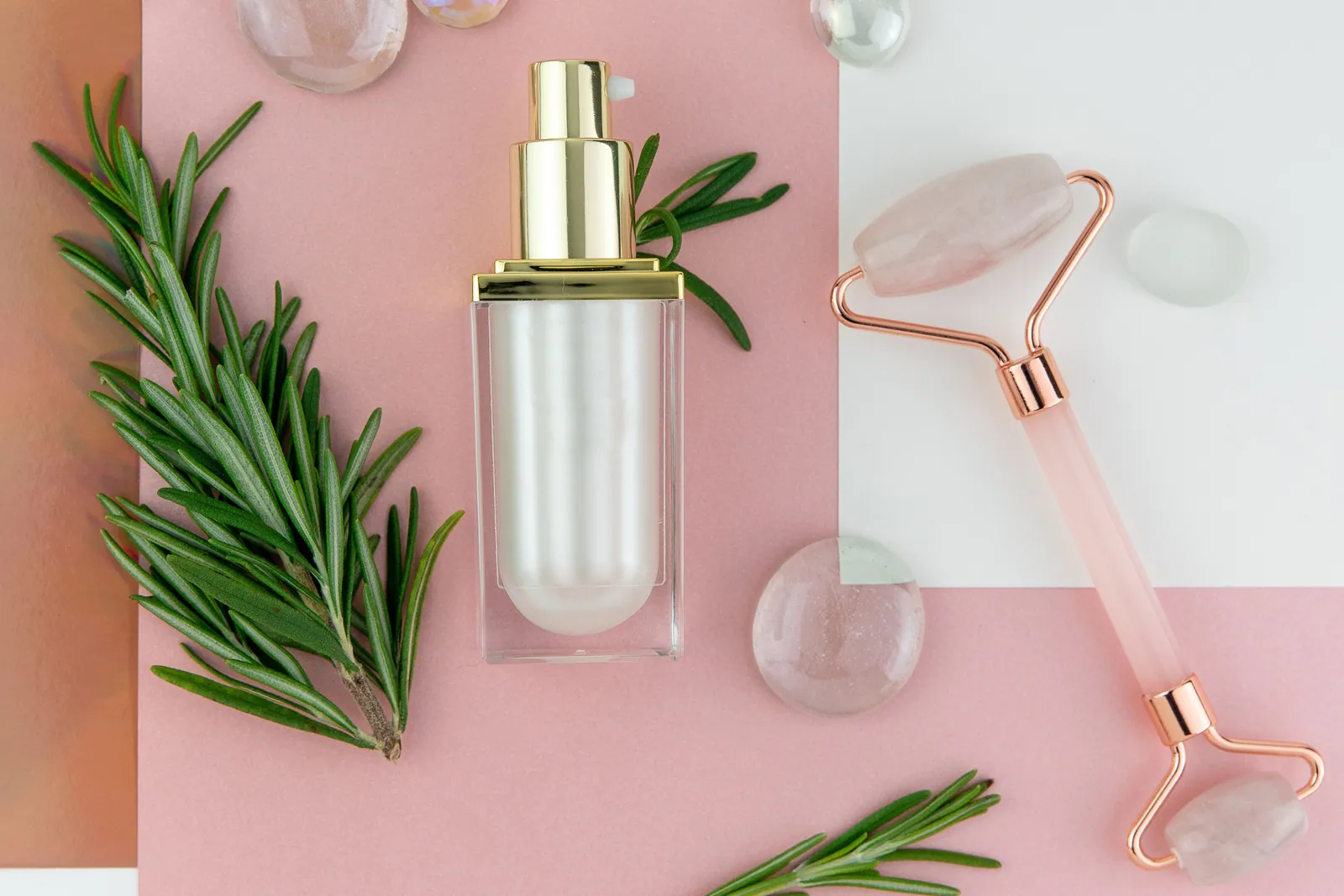
Mugwort, known in Korean as ssuk, is showing up in more Korean skincare essences, serums, creams and sheet masks than it used to, often marketed as a gentler alternative to centella asiatica. According to a board certified dermatologist who writes about K-beauty ingredients, that comparison oversells where the actual science on mugwort currently stands.
Ssuk has been part of Korean food and folk medicine for centuries, turning up in spring soups, rice cakes and steam treatments long before it reached a skincare bottle. That history explains how the plant has traditionally been used. It does not tell you how well its effects on skin have actually been tested in a lab or a clinic. The dermatologist's assessment also notes that mugwort is still an emerging ingredient in the US market compared with centella or snail mucin, though search interest and availability for it are growing.
What the Research on Mugwort Actually Shows
Dr. Jane Yoo, a board certified dermatologist and Mohs surgeon who covers K-beauty ingredients on her site, says modern skincare formulations extract mugwort's flavonoids and other antioxidant plant compounds for topical use. She describes the ingredient as having antioxidant activity from its polyphenol content and some antimicrobial properties, which is part of why it shows up in products aimed at oily or blemish-prone skin.
Those are the claims with some backing behind them. The anti-inflammatory and calming for sensitive skin language that dominates marketing copy is softer. Yoo herself is careful about this: she frames mugwort as a promising, traditionally supported botanical rather than an ingredient with the kind of established clinical evidence some other K-beauty staples already have.
Why Calling It the Next Centella Isn't Quite Fair
Dermatologist Jane Yoo writes that "centella has a deeper, more established evidence base, particularly around wound healing."
Her point is not that mugwort does nothing. It is that centella's research base, especially around wound healing, has had more time and more studies behind it, while mugwort's modern cosmetic research is newer and covers less ground. The two ingredients are often sold as interchangeable soothing actives, but neither fully replaces the other, and some formulas now combine them rather than choosing one.
Separately, some retailer blogs point to lab and cell based studies carried out in South Korea on mugwort's effects on skin barrier function and wound related processes. Those write ups do not name the specific studies, which makes the details hard to verify independently. That gap, more than any real contradiction in the research, is what currently separates mugwort's evidence file from centella's.
Mugwort and Wormwood Are Not the Same Plant
One label detail worth checking before you buy: mugwort and wormwood are both Artemisia species, but they are different plants with different traditional uses. Yoo's guidance is not to assume the two are interchangeable without checking which one is actually listed on the ingredient panel. Korean mugwort skincare typically uses Artemisia princeps or Artemisia annua rather than the wormwood species, Artemisia absinthium.
Her other advice applies to any new skincare ingredient, not just this one: patch test before you commit to a full routine. Mugwort is generally considered fine for sensitive skin, but that is not the same as risk free for every person, and if you are pregnant or breastfeeding, Yoo recommends raising it with a doctor given the plant's history of use outside of skincare.
Where You'll Actually Find It
In practice, mugwort tends to show up in watery, leave-on essences, calming serums, creams and sheet masks aimed at reactive, oily or blemish-prone skin, often sitting on the same shelf as centella and tea tree products. I'm From's Mugwort Essence is one of the better known examples among K-beauty shoppers, built almost entirely around the single ingredient rather than folded into a long formula. That brand's line replaces a large share of its formulas' water phase with mugwort extract, which is why those particular products have a distinctly pale green tint and a faint herbal scent.
None of that makes mugwort a must have. It is a genuinely old ingredient with a newer, thinner research file than some of its more famous K-beauty neighbours, and the honest way to try it is as a mild, generally well tolerated antioxidant and calming option, not as a proven substitute for centella or a treatment for any diagnosed skin condition.
Source: https://www.janeyoomd.com/k-beauty/mugwort-in-skincare-the-next-centella/