

What Is Skip-Care? The Korean Beauty Case for Owning Fewer Skincare Products
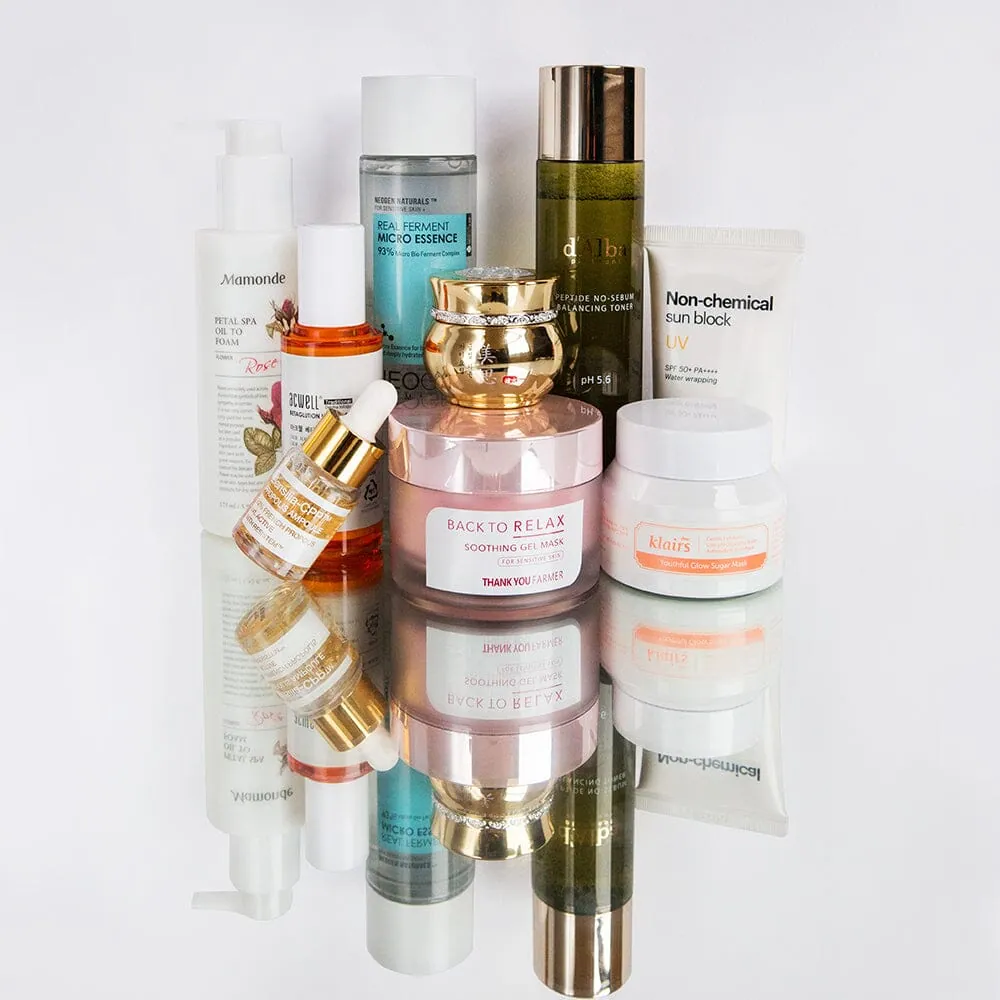
Skip-care is the Korean beauty practice of deliberately shrinking a routine down to a handful of multitasking products chosen for one real skin concern, instead of stacking a separate step for every benefit you want. Korean beauty outlets have been writing about the idea since at least 2016, so it is less a sudden TikTok trend and more a long-running counterpoint to the famous Korean ten step routine.
What Skip-Care Actually Cuts Out
The logic is simple. If three different products in your routine are all trying to brighten or hydrate your skin, you are probably paying for overlap rather than extra benefit. Skip-care asks you to look for one product that already does two or three of those jobs, such as a cleanser formulated to also lightly exfoliate, a toner with a brightening ingredient built in, or a moisturizer that doubles as your SPF in the morning. The aim is not a fixed number of steps, since what counts as essential depends entirely on your own skin.
The Three Products Most Guides Agree You Keep
Across the coverage of this trend, the baseline that keeps coming up is the same three products: a cleanser, a moisturizer and sunscreen. Everything else, from toners to serums to sheet masks, gets treated as an optional add-on you bring back in only if a specific concern calls for it. That is a much smaller claim than saying skincare should be one or two products total, and it is worth keeping that distinction in mind before you toss out a product that is actually doing something for you.
Who a Dermatologist Says Should Actually Simplify
Dr. Yunyoung Claire Chang, a board certified dermatologist at Union Square Laser Dermatology in New York City, draws a line between two kinds of skin. People with less sensitive skin, or with several concerns they are actively treating, may genuinely benefit from a longer, more layered routine. People who notice redness, dryness, itching or a burning or stinging feeling are the ones she steers toward doing less.
According to Dr. Yunyoung Claire Chang, a board certified dermatologist at Union Square Laser Dermatology in New York City: "For these patients, I recommend cutting down on non-essential products and sticking to a simpler approach to skin care."
She also makes a point that is easy to forget when you are chasing a routine you saw online: "There is no right or wrong answer to what the 'best' skin care routine is," since a person's needs change with age, weather, diet and other stressors over time.
When It Makes Sense to Add a Step Back
Skip-care is not meant to be permanent or identical for everyone. If your skin runs oily or breaks out, the guidance is to bring back a balancing toner and an exfoliating acid such as an AHA or BHA. If fine lines are your concern, an antioxidant serum with a firming or plumping ingredient is the step worth keeping rather than cutting. Frequency matters here too: exfoliating products are generally meant for one to three uses a week, not daily, and sheet masks are typically a once a week treat rather than a nightly habit, so cutting either down to its actual recommended frequency can feel like simplifying without giving anything up.
How to Trim Your Own Shelf Without Guessing
Start by laying out what you currently use and being honest about which products are solving the same problem. If two serums are both aimed at brightening, that is the overlap to deal with first, not your sunscreen or your moisturizer. Remove the weaker or more expensive of the two, then give your skin two to four weeks before changing anything else, since skin needs time to show whether it is actually missing a step or just adjusting. Shrinking a routine this way, one overlapping product at a time, is a very different exercise from throwing out half your shelf in one go.
The honest caveat in all of this is that skip-care is a routine-building philosophy covered mostly by beauty media rather than a single clinical protocol, so treat it as a framework to test on yourself rather than a rule. If you have a diagnosed skin condition, or you are not sure whether a product is essential or just habit, that is exactly the kind of question worth bringing to a dermatologist rather than deciding from a trend piece, including this one.
Source: https://sokoglam.com/blogs/theklog/skipcare-10-step-korean-skincare-routine