

How to Do Eyeshadow and Eyeliner on Monolids, According to Makeup Artists
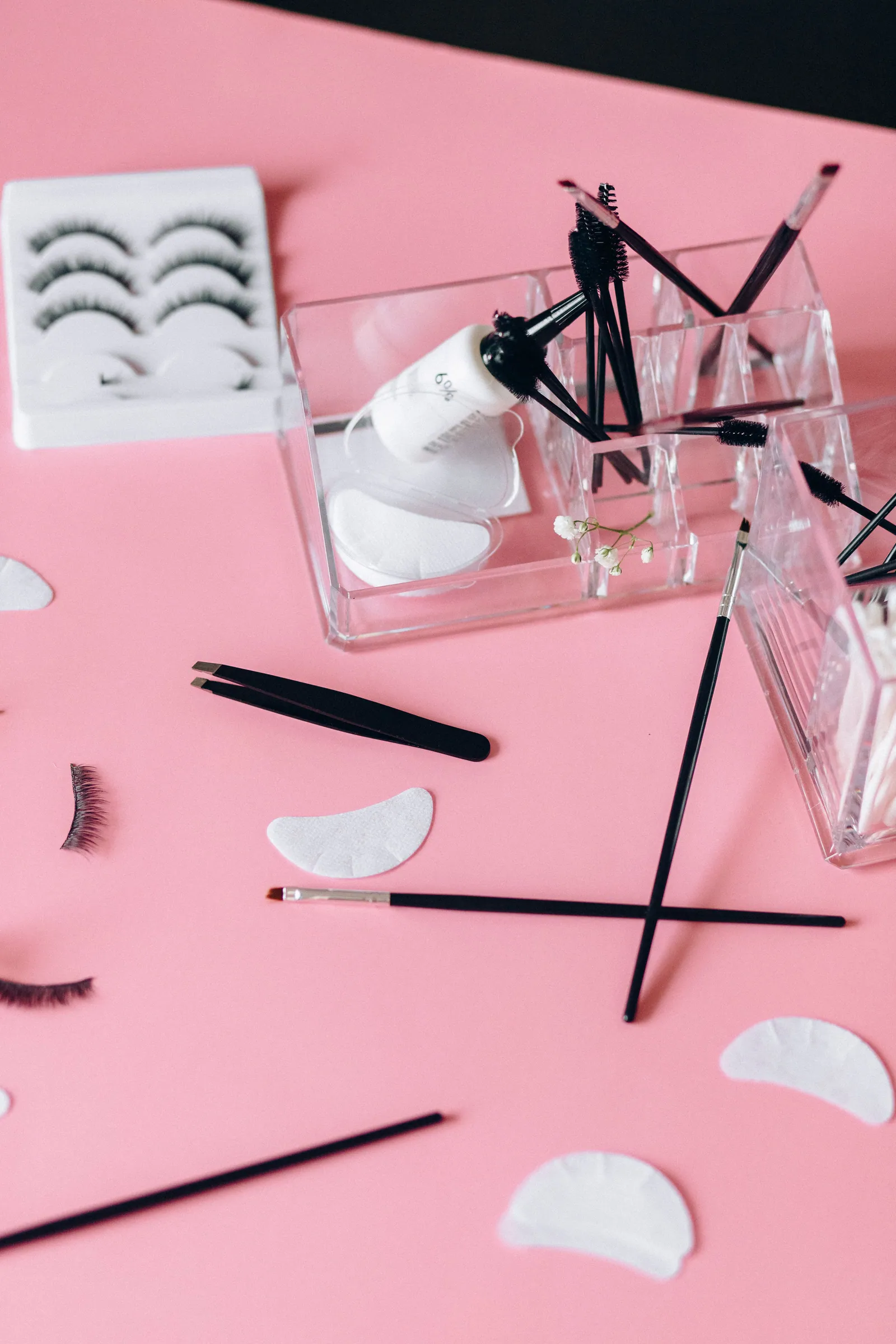
Monolid eyes have little or no visible crease between the lash line and the brow bone, so the usual instruction to pack a darker shade into the crease does not really apply. Makeup artists who work on monolids regularly say the fix is to treat the lash line as the main stage for color, invent a crease higher up with shading rather than relying on a natural fold and pick liner formulas built to stay put on smooth lid skin.
What a monolid actually is
A beauty guide on mindbodygreen describes a monolid as an eye shape with no visible fold, so the skin runs in one unbroken sweep from the lash line up toward the brow. The same piece separates this from hooded eyes, where a crease does exist but is hidden under a flap of skin above it, pointing out that a monolid simply has no crease to hide in the first place. The distinction matters for product choice, since a hooded eye still has a fold to catch color while a monolid does not.
Build color from the lash line upward
Daniel Martin, who works as Honest Beauty's chief color consultant, told PureWow that the usual side to side sweep across the lid is not the right move here. He recommends pressing a small synthetic brush into the lash line first and pulling color upward, instead of dragging it horizontally across the lid.
"For monolids, you want to concentrate the depth of the shadow at your lash line and work your way up, passing your crease," says Daniel Martin, Honest Beauty's chief color consultant, as quoted by PureWow.
Building color this way means the heaviest pigment sits exactly where the lashes grow, thinning out as it climbs, so the eye reads as defined from a distance even without a fold to hold a harder line in place.
Fake a crease instead of hunting for one
L'Oréal Paris's own beauty team outlines a similar workaround: sweep a light brown shade across the whole lid first, then add a medium brown just above where a crease would normally sit on a lid with one. Working that second shade in with a back and forth windshield wiper motion along that invisible line blends it into a soft shadow that reads as depth rather than a hard stripe. The same guide suggests a dense, tightly packed brush over a fluffy one here, since it gives more control on a lid with less surface area to work with.
Choose liner that can survive a crease-free lid
Smooth lid skin with no fold to catch product can be rough on liquid or gel liner, which tends to transfer onto itself every time the eye opens and closes. Mindbodygreen's guide, citing Credo makeup artist and product development manager Alexandra Compton alongside celebrity makeup artist AJ Crimson, suggests swapping a powder eyeshadow applied with an angled brush in for liquid liner to cut down on smudging through the day. For anyone who still wants a defined liquid line, L'Oréal's guide recommends tightlining first with a waterproof pencil, then building the actual line in short strokes with liquid liner, keeping it thin at the inner corner and only letting it thicken toward the outer corner before a small flick.
Let lashes carry more of the definition
With no fold to frame the eye, lashes end up doing more visual work. L'Oréal's guide suggests briefly warming a lash curler, with a hair dryer held at a distance or under hot water and then dried off, never applying direct heat to the lashes themselves, for a curl that holds longer. It also recommends placing a few individual false lashes at the outer corner to concentrate volume there. Mindbodygreen adds that curling lashes thoroughly before mascara matters even more on downturned eyes, since a strong curl does some of the lifting a crease would otherwise provide.
Add shimmer if you want brightness instead of depth
Not every monolid look needs a faked crease. Mindbodygreen also describes a simpler shimmer technique: sweep a sheer wash of shimmer over the whole lid, then pat on more product with a fingertip or a dense brush and blend it toward the inner corner for extra brightness. L'Oréal's guide makes a related point, suggesting the same lid shade carried down to the lower lash line, or a soft gradient of color swept just underneath the eye, to keep the whole eye area looking lifted rather than top heavy.
None of this adds up to one correct formula. The sources on monolid makeup do not always agree on which brush or direction to use, and how much definition counts as finished depends on the look you're going for. But the throughline across the people who do this for a living is consistent: treat the lash line as the main canvas, build any crease yourself with shading and pick liner and lash formulas made to hold on smooth lid skin.