

Why Korea Is Now Teaching Personal Color Analysis Abroad, Not Just Skincare
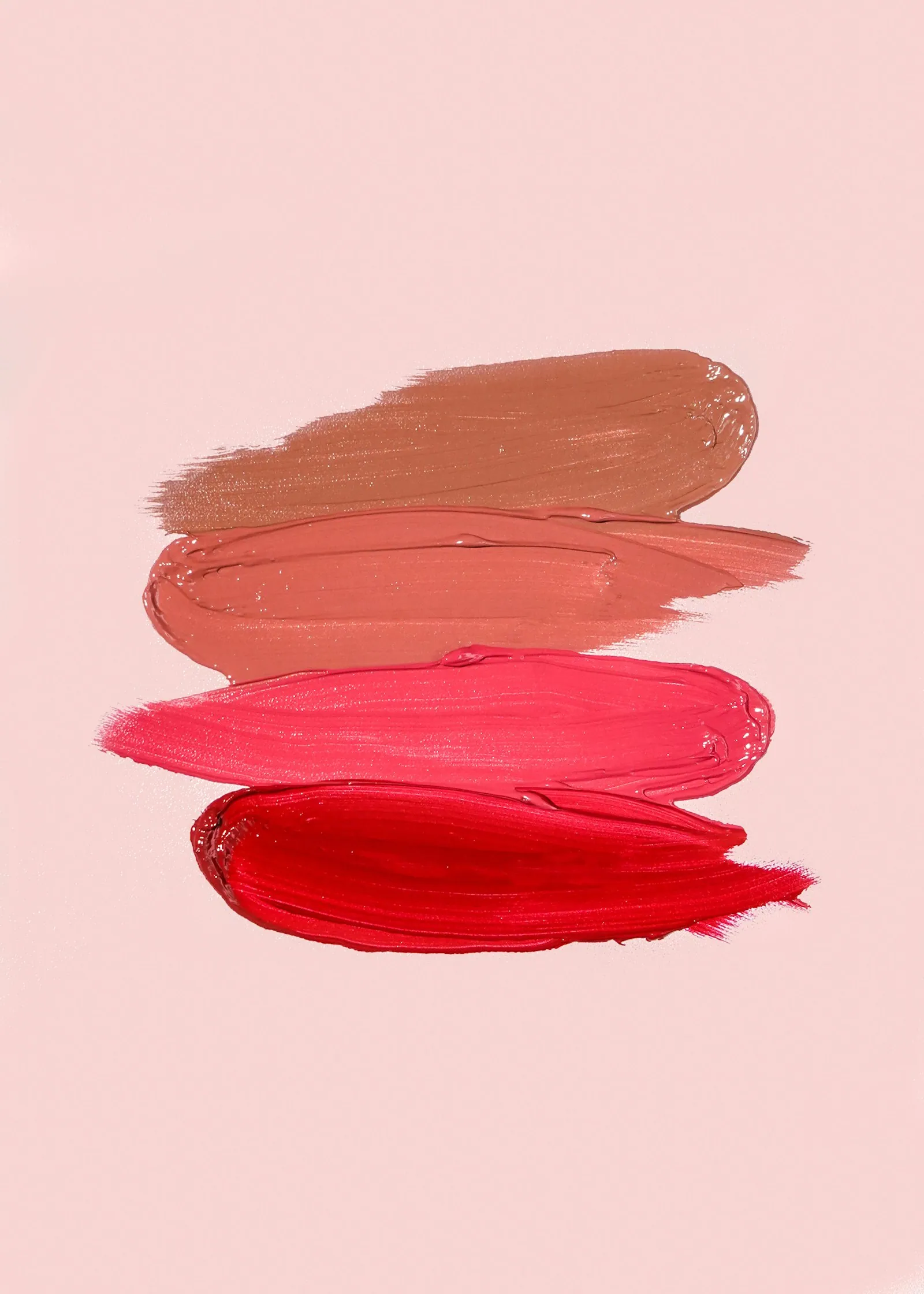
On November 2 and 3, Korea's newly opened cultural centre in Kuala Lumpur ran free beauty classes that skipped the usual skincare routine talk entirely. Two professional makeup artists from Amorepacific's HERA Makeup Professionals Team taught personal colour analysis instead, the Korean method that sorts skin tone into warm and cool seasons before anyone picks up a lipstick.
What Happened at the Korean Cultural Centre
The classes ran at 3pm on both days inside the Korean Cultural Centre on Jalan Ampang, which had just opened as part of K-Culture Festival 2026, Malaysia's national news agency Bernama reported. Instructors Jeonggi Lim and Minsu Shin led demonstrations and hands on practice covering personal colour analysis, current K-beauty trends and makeup routines, using Korean beauty products sold locally in Malaysia.
The centre said the sessions were organised with Amorepacific Malaysia and supported by South Korea's Ministry of Culture, Sports and Tourism and KOFICE, the Korean Foundation for International Cultural Exchange. It pointed to the 2025 Overseas Hallyu Survey, in which 77.6% of Malaysian respondents said they had bought Korean beauty products, as the reason for the interest. Centre director Lee So-jin said the goal was to create more opportunities for people in Malaysia to experience Korean culture.
What Personal Colour Analysis Actually Means
Personal colour analysis is a styling framework built around undertone rather than skin condition. According to a Korea Herald report, consultants first sort a client as warm toned, generally read as a yellow undertone, or cool toned, read as a blue undertone, then narrow that down into one of four seasons. Spring warm leans toward light, pastel, yellow based shades. Autumn warm pushes those same yellow undertones deeper and earthier. Summer cool suits soft, bright, cooling colours, and winter cool calls for striking blue based shades like forest green, wine red and black.
Consultants usually reach a verdict through draping, holding fabric swatches against a client's face and neck in natural light, paired with a review of whatever is already in their makeup bag. A written diagnosis report typically follows.
Where the Idea Actually Came From
The system did not start in Korea. The Korea Herald traced its roots to American colour theorist Robert Dorr and consultant Carole Jackson, whose bestselling book popularised the four season approach decades earlier, before the format reached South Korea in 1993. What has changed is where the method is now most commercialised and most closely tied to beauty shopping, which is why a Korean government cultural centre is the one teaching it to shoppers in Kuala Lumpur rather than a Western stylist.
Shin Hyang-seon, president of the Korea Color Industry Specialist Association, told the Korea Herald: "The personal color system itself is based on a sound scientific theory."
Shin has also argued that diagnoses should come from trained colourists rather than makeup artists or stylists, and that skin undertone is genetic even though surface tone can shift with sun exposure, diet and age, meaning a system built for Asian skin needs its own standards rather than borrowed Western ones.
Is It Worth Trying
Personal colour analysis will not change anyone's skin and it is a styling opinion, not a dermatological test. But if you have ever stood in a drugstore aisle paralysed by thirty shades of blush or concealer, knowing broadly whether you read warm or cool narrows the field fast. A proper draping session with a trained colourist is still hard to find outside Korea, which is exactly what made this particular class unusual: a Korean brand's own professional team teaching the method for free, in person, rather than readers booking a paid consultation or relying on an app to guess their season from a selfie.