

Can You Actually Shrink Your Pores? What Dermatologists Say Really Works
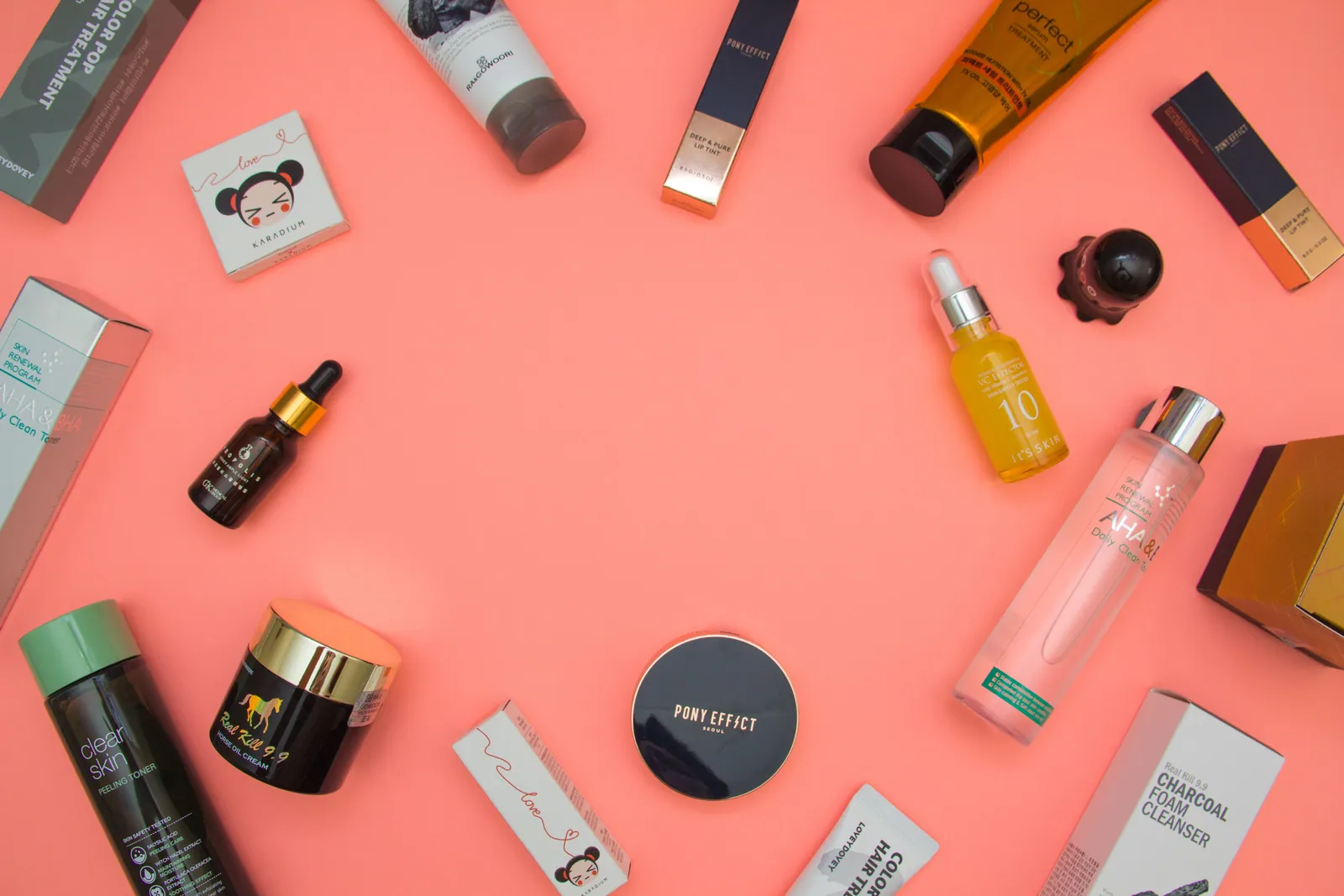
No skincare step permanently shrinks a pore, and that includes the ten step routines, the clay masks and the cult K-beauty serums. The American Academy of Dermatology's own guidance on large pores is telling in how it is worded: it talks entirely about making pores look less noticeable, never about making the openings themselves smaller. That distinction is worth knowing before you spend money chasing a poreless finish.
What actually makes pores look bigger
Pores do not swell on their own. According to the AAD, they expand when they get clogged with oil, dead skin or makeup, and acne works the same way, since clogging is part of how breakouts form. Hot water and rough scrubbing irritate the skin, and that inflammation makes pores stand out more too. So does picking or squeezing at them, which is a habit the AAD specifically flags as counterproductive.
According to the American Academy of Dermatology, the mechanism is specific: "When pores clog, they expand, which can make your pores look more noticeable."
There is a second, slower cause that has nothing to do with cleansing habits. The AAD notes that pores also look larger as skin loses firmness, whether from aging or from accumulated sun exposure, since sagging skin stretches the opening around a pore the same way it stretches everything else.
What dermatologists say actually helps
The AAD's recommendations are less exciting than most pore-focused marketing, but they are specific. Choosing products labeled non-comedogenic or oil-free matters, since anything that clogs pores works against you immediately. A gentle, non-comedogenic cleanser used twice a day with warm rather than hot water is the baseline the AAD recommends, alongside avoiding the urge to scrub.
For actives, the AAD points to two ingredients with real support behind them. Cleansers containing salicylic acid can help unclog pores, citing studies that show the ingredient's effect on clogged follicles, and the AAD notes some people tolerate it daily while others do better alternating it with a milder cleanser. Retinol or retinyl palmitate, used at night, is the other recommendation, with the AAD cautioning that it can irritate skin at first and should not be used during pregnancy or while breastfeeding.
Sunscreen is on the list too, and not as an afterthought. A broad-spectrum, water-resistant SPF 30 or higher worn every day, including on cloudy or cold days, is part of the AAD's pore guidance specifically because sun damage is one of the things that ages skin and makes pores look bigger over time.
Where K-beauty routines line up with the evidence, and where they do not
Double cleansing, an oil based first step followed by a water based one, is built around the same logic the AAD describes: getting sunscreen, sebum and makeup fully off the skin so pores do not sit clogged overnight. That part holds up. Clay and charcoal masks marketed to pull oil out of pores are a different story. The AAD's guidance does not address masks at all, so any label promising to visibly close or shrink pores is making a claim the dermatology research cited here does not back up, even if the mask makes skin feel temporarily cleaner.
When it is worth seeing a dermatologist
For pores that look larger mainly because of sagging skin rather than clogging, the AAD says a dermatologist can examine the skin in person and recommend firming options, many of which involve no downtime and can include exfoliation done in-office. As an example of what that research looks like, the AAD cites a 2017 study on microneedle radiofrequency treatment used to tighten skin around the nose and mouth, though it does not report pore-specific results from that particular study, so it is a conversation to have with a provider rather than a treatment to request by name.
The unglamorous truth is that the products which help most are already common in a lot of routines: a gentle cleanser, daily sunscreen and, if skin tolerates them, salicylic acid or retinol. Nothing on a label that promises to shrink pores for good is describing a real, permanent change, whatever the packaging says.
Source: https://www.aad.org/public/everyday-care/skin-care-secrets/face/treat-large-pores