

Does Centella Asiatica (Cica) Actually Work? What the Research Says
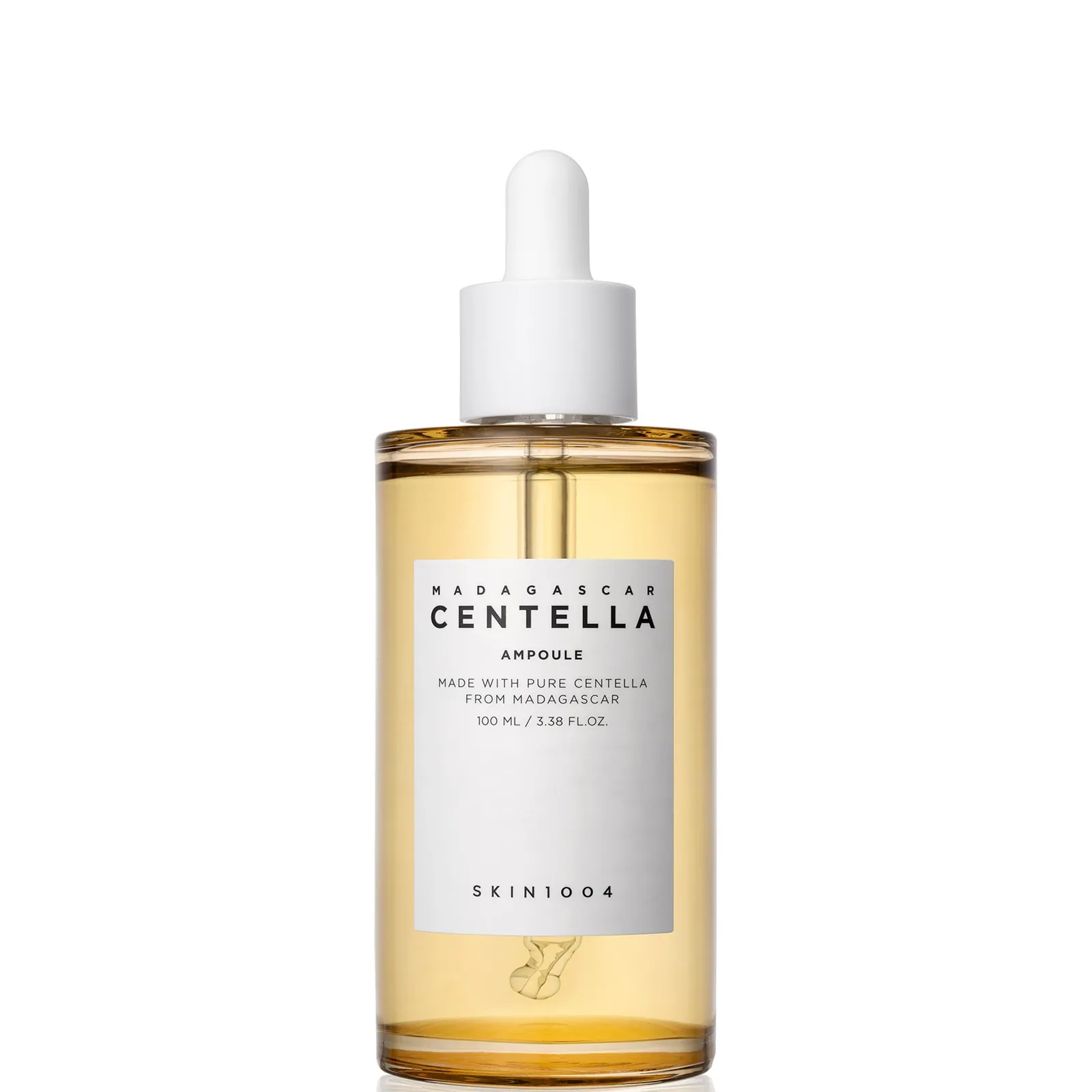
Centella asiatica, the plant K-beauty labels shorten to "cica," is one of the most common ingredients on Korean skincare shelves, turning up in toners, ampoules, cleansing balms and sheet masks aimed at calming irritated or reactive skin. The strongest clinical research on it, a 2020 systematic review in the Journal of Cosmetic Science, found modest evidence that it can soften fine wrinkles and raise hydration, but the study authors stopped short of calling it proven, and the redness-calming claims most K-beauty marketing leans on have barely been tested in controlled trials at all.
What Is Centella Asiatica, and Why Is It Everywhere in K-Beauty?
Centella asiatica, also known as Gotu kola or Asiatic pennywort, is a creeping plant native to wetlands across South and Southeast Asia with a long history in traditional medicine, used historically for everything from wound care to digestive issues. Its relevance to skincare comes down to a small group of compounds, asiatic acid, asiaticoside, madecassic acid and madecassoside, that together make up roughly 2 to 8 percent of the plant's dry weight. Formulators lean on these compounds for a reactive-skin-friendly, low-irritation profile rather than active exfoliation or resurfacing, which is why centella tends to show up paired with gentler ingredients like panthenol, hyaluronic acid, ceramides and niacinamide. On Hwahae, the Korean ingredient and review platform, centella-containing products have logged more than 2.8 million reviews with an average rating of 4.27 out of 5, a measure of how shoppers feel about the products, not of clinical efficacy.
What Does the Clinical Research Actually Show?
The most rigorous look at centella's cosmetic effects is a systematic review and network meta-analysis published in the Journal of Cosmetic Science in late 2020. Researchers at Naresuan University in Thailand searched major medical databases through May 2019 and could only locate five double-blind, randomised controlled trials that tested centella asiatica, or its compound asiaticoside, as the sole active ingredient. Combined, those trials covered 172 Asian women with an average age of around 33. Three trials measured fine lines around the eyes, one tracked lip wrinkling from a lipstick formulated with asiaticoside, and treatment periods ran 8 to 12 weeks.
Centella asiatica has many applications in cosmetics, including wrinkle treatments, but its effectiveness remains to be clarified.
Where an effect showed up, it was incremental rather than dramatic. In one trial, a centella gel raised hydration around the eyes by 26 percent over 12 weeks, while a 0.02 percent tretinoin comparator moved the number by just 1 percent. Across the eye-area trials, centella outperformed a Pueraria mirifica extract comparator and caused fewer reported side effects than tretinoin, 10 adverse events in one study versus 35 for tretinoin, though the analysis suggested it was still less effective than tretinoin at actually reducing wrinkle depth. The lipstick trial found roughly a 20 percent reduction in lip wrinkling after 8 weeks of use.
The review's authors were candid about the evidence's limits. None of the five trials used a standardised centella extract, so concentration and purity likely varied between studies, which makes it hard to compare results or know what to look for on an ingredient list. Reporting quality across the trials was weak, the studies were short, and every participant was an Asian woman in her twenties to fifties, so the findings may not extend to other skin types or ethnic backgrounds. The authors concluded that centella may be a reasonable option for softening fine lines around the eyes with a lower side-effect rate than a prescription retinoid, but that longer, better-standardised trials are still needed before its safety and effectiveness can be considered settled.
What About the Redness and Barrier Claims?
Here is the gap most shoppers do not see: the systematic review was specifically about wrinkles, not about the redness relief or barrier repair that dominates K-beauty marketing copy for cica products. Those claims rest on a thinner evidence base. Hwahae's own ingredient page, while noting centella is commonly used to ease visible redness and support a stressed skin barrier, is upfront that "research on topical use in skincare is still developing, and results vary from person to person," and states plainly that it is not a medical treatment for rosacea or any diagnosed skin condition.
Should You Still Reach for a Cica Product?
None of this makes centella a bad ingredient, it just means the evidence has not caught up with the marketing around it. The available trials suggest it is gentle, generally well tolerated and may offer a modest hydration and smoothing benefit over two to three months of regular use, with fewer side effects than a prescription retinoid in head-to-head testing. Hwahae suggests patch testing any new cica product before regular use and notes it is often layered with retinol or vitamin C, since its calming profile may help offset irritation from those stronger actives. Read "cica" on a label as a gentle, low-risk ingredient worth trying for comfort, not as a clinically proven treatment for redness, barrier damage or deep wrinkles, because the research simply has not gotten there yet.