

Does Squalane Really Clog Pores? What Dermatologists Say
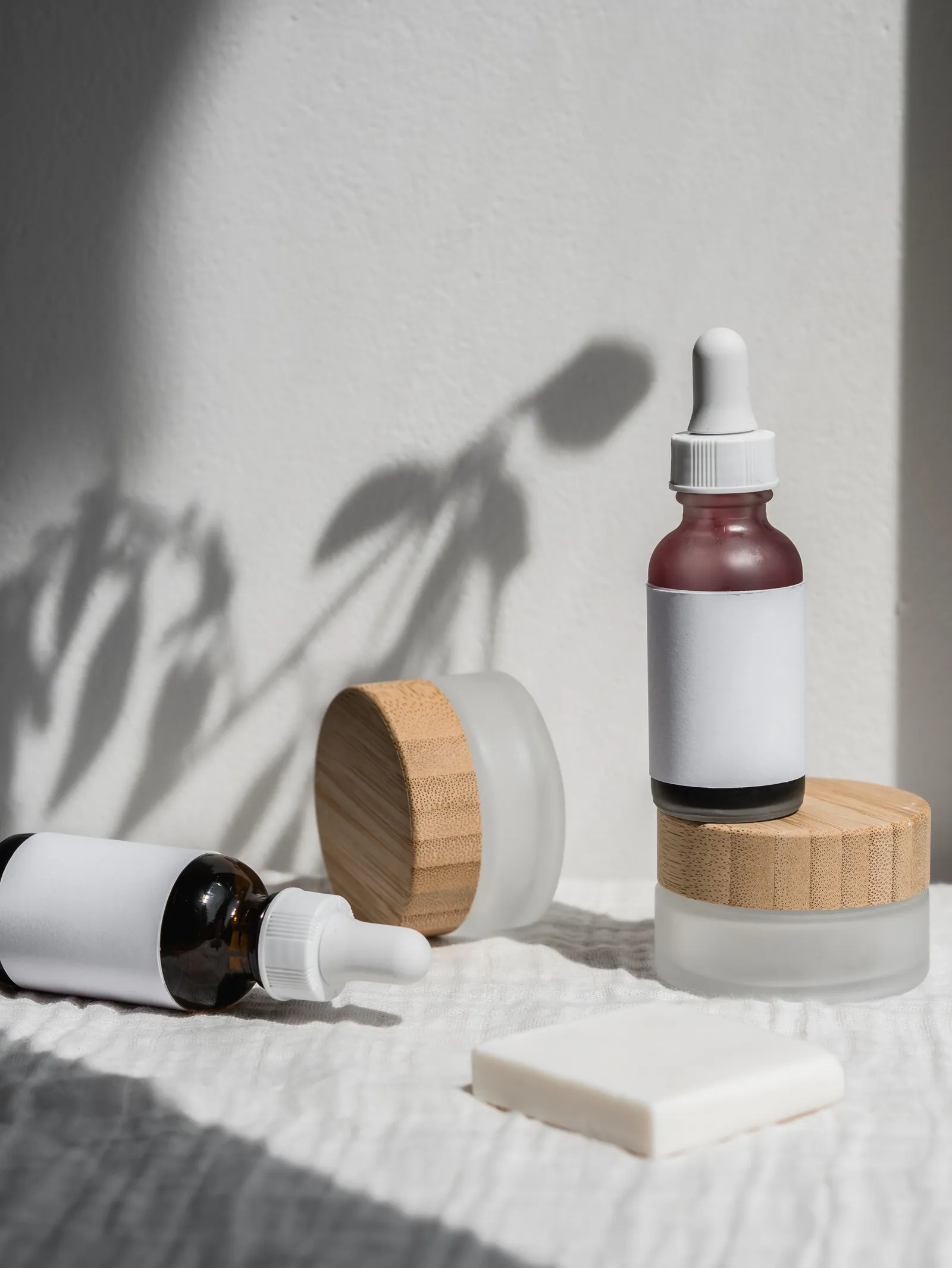
Squalane is one of the most common ingredients on the back of Korean facial oils, ampoules and toners, and it does not clog pores, according to dermatologists at the Cleveland Clinic and Westlake Dermatology. Both describe the oil as noncomedogenic, which means it is not expected to block the follicle openings that lead to breakouts, even though plenty of shoppers still avoid facial oils on the assumption that any oil will make them break out.
Squalane Is Not the Same Thing as Squalene
The two names get used almost interchangeably online, but they are not identical. Squalene is a lipid your own skin produces as part of sebum, and it also occurs in plants and other oils. Squalane is what you get once squalene is hydrogenated, a process that makes it more stable so it does not oxidize and turn rancid sitting in a bottle on your shelf.
According to dermatologist Alok Vij of the Cleveland Clinic, squalane "comes from a lipid that occurs naturally in your skin."
That stability is also why squalane, not squalene, is the form listed on almost every ingredient label you will actually see on a shelf or a product page.
Why Dermatologists Call It Safe for Oily and Acne-Prone Skin
Board certified dermatologist Radhika Shah writes on the Westlake Dermatology blog that squalane is non-comedogenic and does not clog pores, and names oily and acne-prone skin specifically among the skin types that can benefit from it, alongside dry skin and anyone who wants a lighter alternative to a thick cream. The Cleveland Clinic's Dr. Vij adds that squalane is one of the common compounds already present in sebum, which is part of why skin tends to tolerate it well.
Both dermatologists note the same caveat: if you break out after using a squalane product, the more likely culprit is another ingredient in that formula, such as a fragrance, an essential oil or a heavier occlusive wax layered on top, rather than the squalane itself. Shah still recommends a patch test first if your skin is reactive.
Where the Squalane in Your Skincare Actually Comes From
Squalane has an odd history. Shah's article notes that it was historically sourced from shark liver oil, which is part of why the ingredient still carries an unfair reputation in some corners of the internet. Today, she writes, nearly all cosmetic-grade squalane is plant derived, most often from olives, sugarcane or rice bran. Dr. Vij's practical label advice at the Cleveland Clinic is to look specifically for the words "100% plant-derived squalane," which implies that non-plant sourcing can still turn up if you do not check.
How to Actually Layer It
Shah's usage guidance is straightforward: squalane can be used up to twice a day, applied after water-based serums or essences and before heavier creams or sunscreen, since it is an oil and oils generally go on top of water-based steps rather than underneath them. A few drops is typically enough for the whole face. It can also be layered after a retinoid or an exfoliating acid to soften the dryness and irritation those ingredients sometimes cause.
Where This Fits Into a K-Beauty Routine
The K-beauty editorial site Soko Glam has described squalane as an increasingly common key ingredient across Korean skincare, turning up in everything from lightweight facial oils to hydrating toners and sleeping masks, which tracks with how often it appears near the top of ingredient lists on Korean product pages. None of that makes squalane a cure for anything in particular. It is simply a stable, well-tolerated oil, and the dermatologist consensus is that pore-clogging is not the reason to think twice about it.
If you do want to rule it out for your own skin, the most useful test is not reading another forum thread about it. Patch test a squalane-forward product along your jawline for a few days, watch what actually happens on your own face, and check the rest of the ingredient list before blaming the squalane.
Source: https://www.westlakedermatology.com/blog/squalane-skin-care-ingredient