

Is Skin Flooding Just TikTok's Name for Korea's Decade-Old 7-Skin Method?
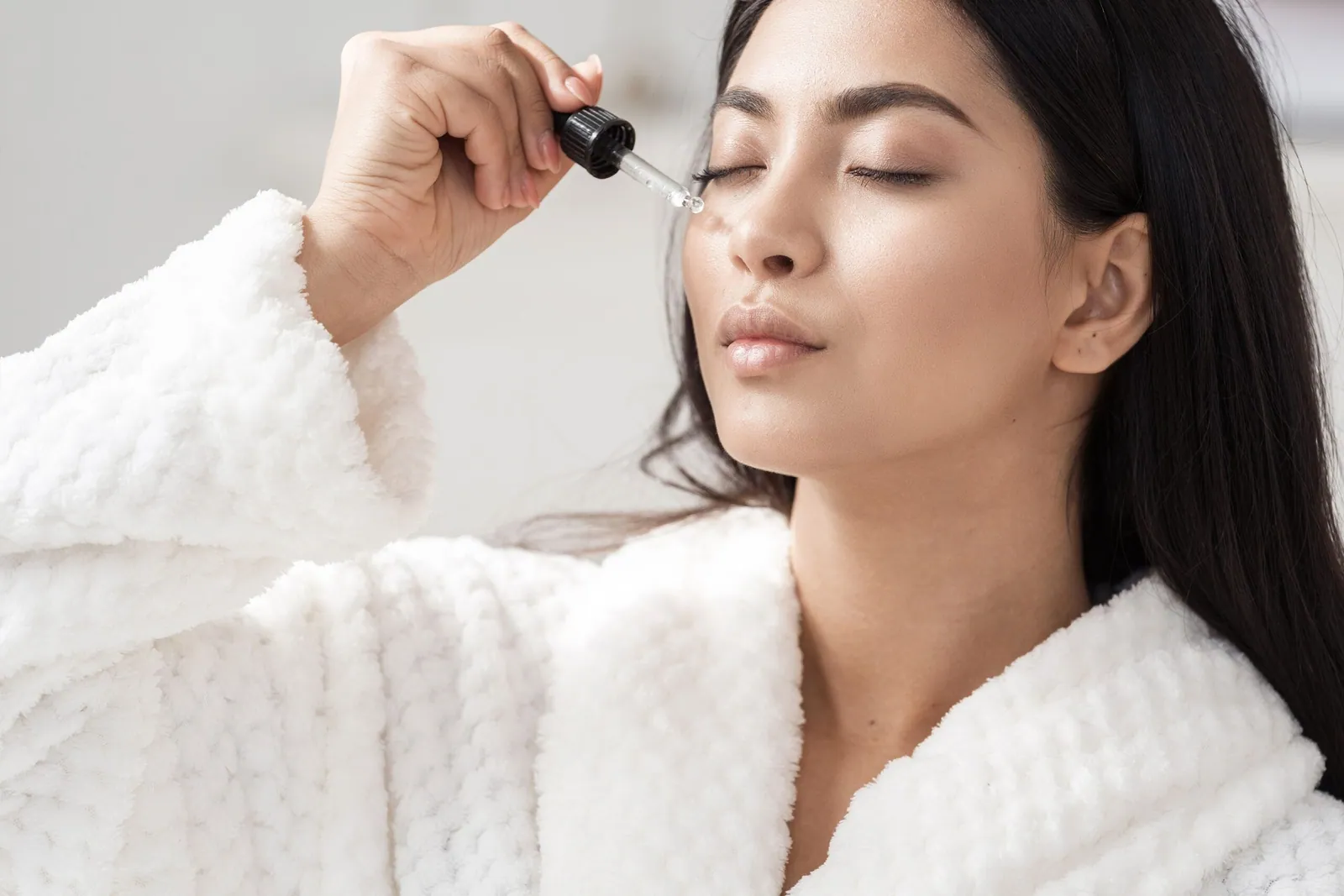
Skin flooding is the name TikTok gave to layering hydrating products onto damp skin and sealing them with a moisturizer, and it has been covered as a derm-approved trend by outlets like NewBeauty and Hola through early 2026. The method it is most often compared to, Korea's 7-skin method, has quietly done something similar for well over a decade. They are not identical, and dermatologists do not agree on how much the extra layers actually add.
What Is Skin Flooding, Exactly?
According to New York dermatologist Elaine Kung, the routine starts with a gentle cleanse that leaves skin slightly damp, followed by a hydrating mist, then a humectant serum such as hyaluronic acid or polyglutamic acid while the skin is still moist, and finally a barrier cream to seal everything in.
According to Dr. Elaine Kung, "The hydration serum acts like a sponge while the moisturizing cream acts as a sealant."
Kung and New York esthetician Juan Estwick both flag the same caution: people with oily skin, people in humid climates and people prone to acne may want to skip the heavy occlusive cream, since a hydrating serum alone can be enough and an extra layer of emollient cream risks clogging pores.
Korea Was Doing Something Like This Long Before TikTok
In Korean, toner is literally called 'skin,' and the 7-skin method means patting on a hydrating toner or essence three to seven times in a row, letting each layer sink in before adding the next, before moving on to the rest of a routine. Soko Glam's own K-beauty blog, the Klog, credits the look's early popularity in Korea to figures like actress Honey Lee and K-pop idol Seolhyun, and is explicit that seven is a memorable number rather than a clinical rule: most people do not need to apply all seven layers to see a benefit.
Soko Glam founder Charlotte Cho, a licensed esthetician, explained the logic behind layering onto slightly damp skin in an interview with Healthline.
Charlotte Cho told Healthline, "Think of your skin like a sponge. It's more difficult to rehydrate it when it's dried up than when it's already a bit damp."
So What Is Actually Different Between the Two?
Skin flooding, as described by Kung and Estwick, is built around one humectant step followed immediately by a sealing moisturizer. The 7-skin method repeats the same toner or essence several times before a separate moisturizer step ever comes in, treating repetition itself as the main driver of hydration rather than a single application plus a seal. Both rest on the same core idea that Cho's sponge comparison captures: product absorbs more easily into skin that is already a little wet than into skin that has fully dried out.
Do Dermatologists Think Piling On Layers Actually Works?
Not entirely. Dr. Helyn Alvarez, a board-certified dermatologist at Westlake Dermatology, has written that the trend's own premise gets overstated.
Dr. Helyn Alvarez wrote, "But in skincare, as with many things in life, more is not always better!"
Alvarez's main point is about diminishing returns: once skin has absorbed what it can, adding three more humectant serums will not deliver three times the benefit, and layering several versions of the same formula mostly raises the risk of irritation or product overload rather than multiplying hydration. She also notes that no amount of damp-skin layering will address concerns like deep wrinkles, skin laxity or pigmentation, since those are outside what a hydration technique can do. Even dermatologists who are more enthusiastic about the method do not fully agree on how to do it. Santa Monica dermatologist Tanya Kormeili has said there is no need to wait between steps, since the products will combine in the skin regardless, while Kung's version has each layer set before the next goes on. Either way, flooding or layering is a hydration step, not a sun protection one, so sunscreen still belongs in the routine regardless of how damp skin was beforehand.
How to Try Either Version Without Overdoing It
If dry or dehydrated skin is the problem, a damp-skin hydrating step, whether that is one serum sealed with cream or a few patted layers of toner, is reasonable to try. Oily, acne-prone or humid-climate skin may do better stopping after the humectant step and skipping the heavy seal. Soko Glam's own list of 7-skin mistakes warns against forcing all seven layers regardless of how skin feels, patting too aggressively, skipping exfoliation beforehand so product cannot absorb properly and, perhaps most counterintuitively, skipping a moisturizer afterward, which the site says wastes the hydration those layers were meant to lock in.
Neither version needs a specific product to work. Any alcohol-free, fragrance-light toner, essence or lightweight serum applied to skin that is still a little damp from cleansing follows the same logic these sources describe, long before any single bottle gets credit for it.