

Why Korea's Scalp Care Boom Is Backed by Real Export Numbers, Not Just Hype
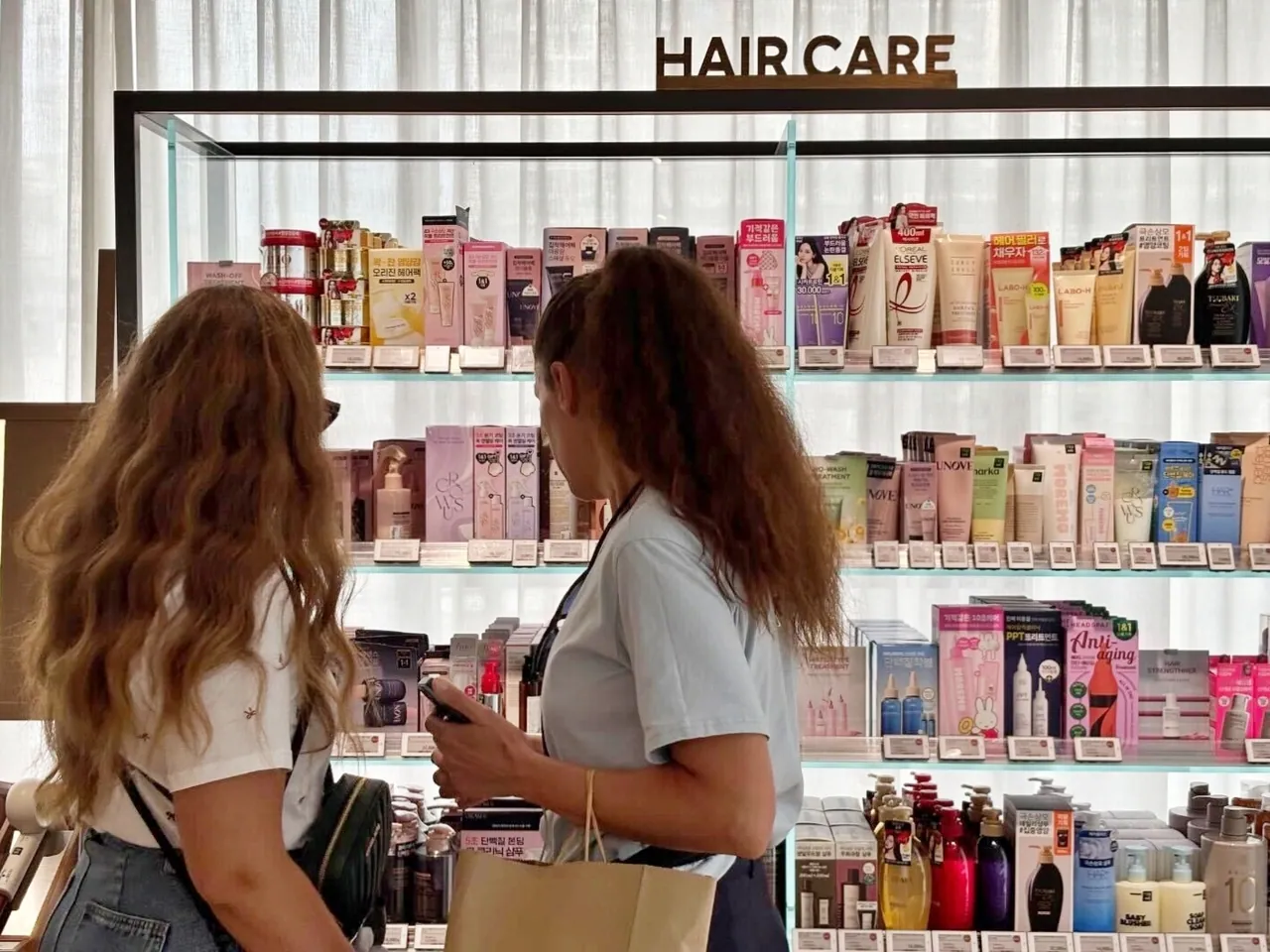
CJ Olive Young, Korea's largest beauty retailer, told local media in March 2026 that hair care has become its fastest-growing category, with sales rising more than 70 percent a year for three years running. That is not just a marketing line dressed up as a trend. Korea Customs Service data shows the country's hair and scalp product exports hit a record $478 million in 2025, up 15.7 percent from 2024, according to reporting from The Korea Herald.
The growth is expected to keep climbing. Grand View Research forecasts Korea's domestic hair care market expanding from $3.8 billion in 2024 to $6.1 billion by 2030, a compound annual growth rate of 8.4 percent. Few categories inside Korean beauty are growing that fast, which is why some of the country's largest cosmetics groups have started reorganising their businesses around hair and scalp products instead of treating them as an afterthought to skincare.
Which companies are actually betting on this?
Amorepacific renamed its Daily Beauty division to Hair and Beauty in November 2025, and its Mise en Scene hair serum topped Amazon's US hairstyling oil category last year, per the Korea Herald. LG Household and Health Care has pushed its scalp care brand Dr. Groot into more than 680 Costco locations across North America and ran a pop-up store in Manhattan on December 11 and 12, 2025. The private equity firm Blackstone bought a controlling stake of more than 70 percent in the Korean salon chain Juno Hair for over 500 billion won in September 2025, its first buyout of a Korean salon franchise. Juno Hair runs more than 180 salons in Korea and is opening its first location in Vietnam.
What does scalp care actually look like in a Korean routine?
Korea has long treated the scalp the way it treats facial skin, with its own tonics, ampoules, exfoliating scalers and functional shampoos sitting alongside the usual toners and serums. The clearest sign that this is purchase behaviour and not just online hype sits inside the CJ Olive Young Awards 2025, which rank products using an analysis of more than 180 million purchase records from July 2024 to June 2025. In the shampoo category, Labo-H's Scalp Strengthening Shampoo took first place, ahead of Unove's Deep Damage Repair Shampoo and Dr.FORHAIR's Folligen Shampoo. In the wider hair care category, Unove's Deep Damage Treatment EX won first place, ahead of Mise en Scene's Perfect Serum Original.
Why so many foreign visitors are trying it in Seoul
Seoul is also pulling in visitors for exactly this reason. The Seoul Tourism Foundation found that 18.5 percent of foreign tourists in Seoul used a hair salon or beauty service in 2025, up from just 3.6 percent in 2019. Creatrip, a travel booking platform, reported that the transaction value of its Korean scalp care bookings rose about 219 percent year over year, with 58 percent of bookings coming from English-speaking countries and 37 percent from the United States alone. CJ Olive Young says the scalp diagnostic service at its Seongsu-dong and Gangnam stores is used mostly by international tourists, with nine in ten visitors to that service coming from abroad by its own count.
Is this really about K-beauty, or about weight-loss drugs?
Not every driver of this trend is Korean. The Wall Street Journal has linked part of the US scalp care boom to hair thinning associated with GLP-1 weight-loss drugs such as Wegovy and Mounjaro, alongside the wider popularity of K-beauty routines, in reporting cited by Asiae in June 2026. The analytics firm Circana found that scalp care led hair care growth at Sephora and Ulta Beauty over the past year, and Dermstore reported that its own scalp care sales doubled over the same period. Michelle Lee, Allure's former editor-in-chief, told Vogue that a wave of Korean hair brands is entering the US market, and dermatologist Sarah Jung Park has predicted Korean hair products becoming a bigger trend in Western markets. Treat those two as informed predictions rather than settled facts, since neither outlet has published hard sales figures to back them yet.
An Olive Young official told The Korea Herald, "Hair care has been our fastest-growing category, with annual growth exceeding 70 percent."
None of this means a scalp tonic will fix a diagnosed hair loss condition, and nothing here is a medical claim. What the data does show is that scalp care is being bought, not just liked online, and that a visible share of that buying is now coming from outside Korea. If you are curious, the easiest way in is the same way Korean shoppers already do it: treat the scalp as its own step, whether that is a leave-in tonic after washing or an exfoliating scaler once a week, rather than assuming shampoo alone is doing the job.