

Why Your Skincare Pills Under Sunscreen and Makeup, and How to Fix It
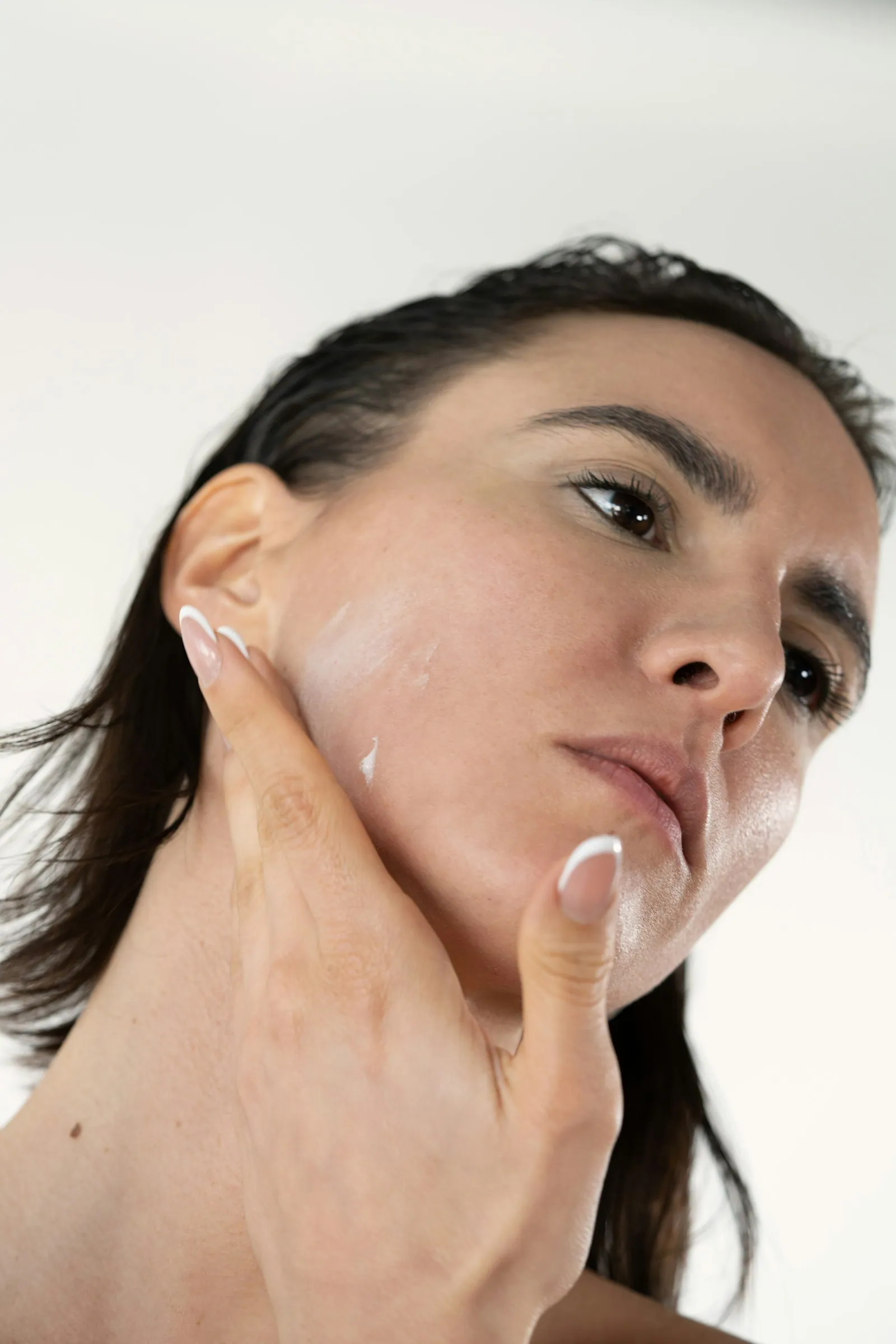
Those small grey flecks that appear on your cheeks after you blend foundation over sunscreen are pilling, and it happens when a product fails to absorb and balls up on the surface of the skin instead. London dermatologist Dr Sam Bunting points to sunscreen as the single biggest trigger she sees in her clinic, while aesthetic practitioners and product formulators keep landing on the same handful of ingredients and layering mistakes as the real causes.
What Pilling Actually Is
Pilling is what happens when a product sits on top of the skin rather than sinking into it. As the next layer goes on, friction rolls the unabsorbed residue into little balls or flakes that rub off on your fingers or a makeup sponge. Dr Sam Bunting describes it as the product failing to properly adhere to the skin, and it tends to show up fastest in a rushed morning routine, which is exactly when most people are trying to get sunscreen and makeup on at the same time.
Why Sunscreen Is Often the Trigger
Several experts single out the same ingredient group as pilling-prone. Amar Suchde, an aesthetic practitioner at AMS Aesthetics, has said SPF formulas containing silicones, talc, mica and iron oxide tend to ball up or flake rather than absorb. Vanessa Crawley, a biochemist who has worked on skincare formulations for the brand Epara, names silicones specifically as a common cause, and Pixi makeup artist Amanda Bell points to the same group plus synthetic fluorphlogopite as frequent culprits. The problem is that these ingredients turn up in both sunscreens and foundations, so a pilling-prone sunscreen layered under a pilling-prone base effectively doubles the risk.
Apply Thin Layers in the Right Order
Nicola Kilner, co-CEO of the skincare brand Deciem, has advised always moving from the lightest product to the heaviest: water-based serums first, then creams, then sunscreen, with makeup last. She also recommends using less product than most people assume, pointing to roughly two to three drops of a serum and a pea-sized amount of anything heavier. Using more than the skin can actually absorb is, in her view, one of the simplest ways to guarantee pilling.
Let Each Layer Dry Before the Next One
Rushing between steps is the mistake named most often across every source. Dr Sam Bunting recommends leaving a real gap, even a few minutes, between each layer so it has time to settle before the next one goes on, and says this alone makes a noticeable difference to how often her patients pill. Amar Suchde gives similar advice: cleanse and tone, apply a light layer of moisturiser or serum if needed, let it dry, and only then move on to sunscreen and makeup.
Press Product In Instead of Rubbing It
How you physically apply each layer matters almost as much as what is in it. Suchde suggests using a damp makeup sponge or your hands to press products into the skin rather than rubbing them in, since dragging a brush or fingers back and forth is what rolls unabsorbed residue into visible balls. Amanda Bell adds that keeping the skin slightly damp when you start applying a base helps it glide on and absorb more evenly.
If You Keep Pilling, Check Your Ingredient List
If pilling keeps happening no matter how carefully you layer, Dr Sam Bunting suggests scanning your products' ingredient lists for silicones, talc, mica and iron oxide and cutting back on how many of them you stack at once, accepting that finding a sunscreen that plays well with the rest of your routine can take some trial and error. Aesthetic doctor Dr Rachel Ho adds that congested skin, meaning a buildup of dead skin, oil and dirt, can block absorption on its own, so regular gentle exfoliation is worth checking too. She also makes a point beyond appearance: when sunscreen pills instead of absorbing, you are likely getting less sun protection than the label promises, since the product is not sitting evenly across the skin the way it is designed to.
Multi-step routines, the kind many K-beauty fans build their mornings around, do not cause pilling on their own, but they do add more layers where two incompatible ingredients can meet. The fix is rarely a brand-new product. It is usually patience between steps, a lighter hand with how much you apply and paying attention to which formulas actually sit well together on your particular skin.
Source: https://drsambunting.com/blogs/sam-bunting/what-is-skincare-makeup-pilling