

Do Koreans Really Follow a 10-Step Skincare Routine?
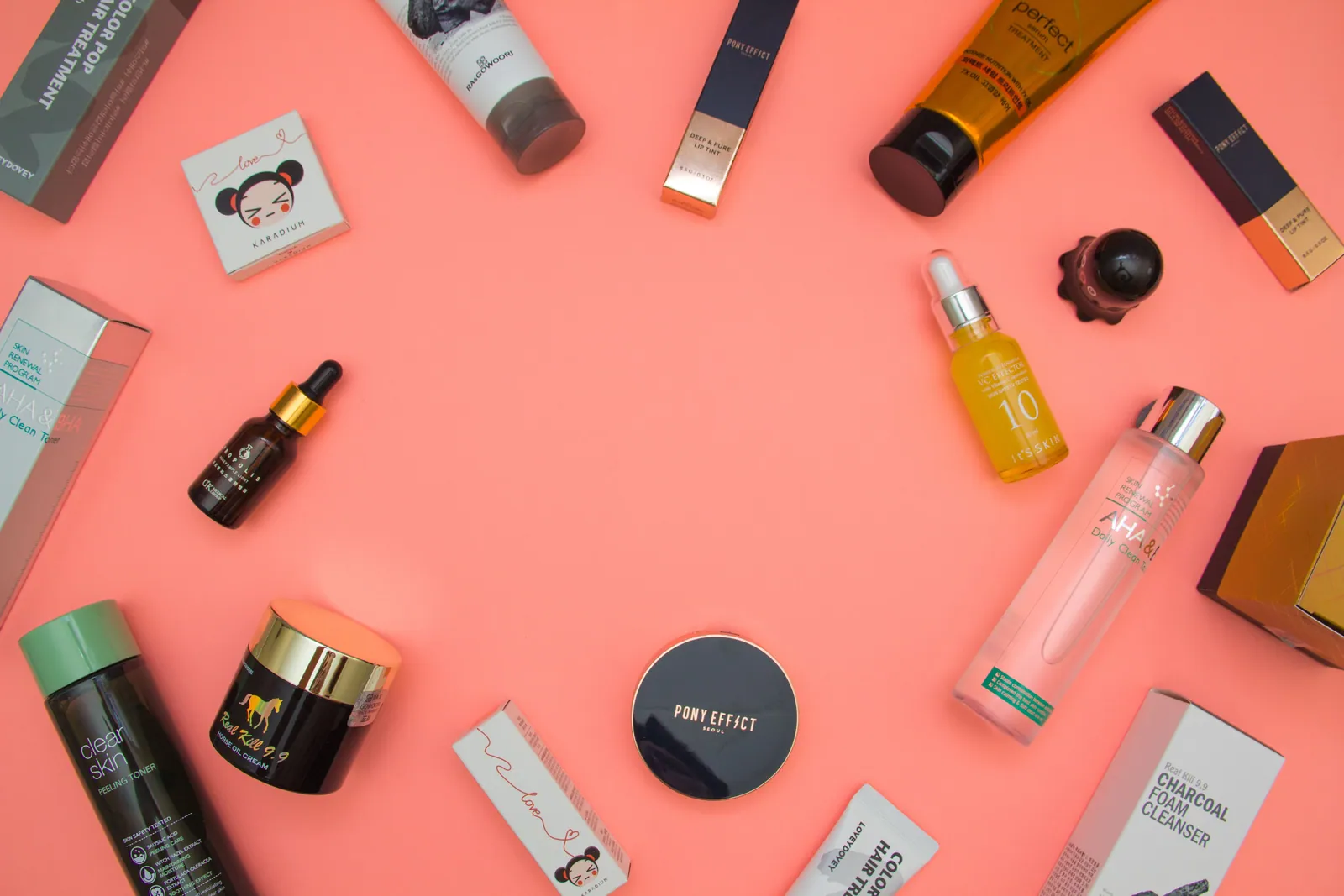
No, most Koreans do not cleanse, tone, essence, serum, ampoule, mask, eye cream, moisturise and sunscreen their way through ten separate bottles every morning. A 2022 Beauty Trend Report from the Korean market research firm Opensurvey found that Korean women use an average of 5.37 skincare products in their routine, compared with 3.24 in the United States. More than the 10-step routine actually deserves, but nowhere near ten.
Where did the 10-step skincare idea come from?
The phrase traces back further than most people assume. One of its earliest uses was a 2006 slogan from the Korean brand Skinfood, built around the idea of treating skin with the same care as food. The concept of elaborate, multi-layered Korean routines picked up steam internationally around 2016 and 2017, when Western beauty media began packaging K-beauty for overseas readers and needed a catchy, countable hook. Ten sounded specific and dramatic, so it stuck, even though it was always closer to a marketing shorthand than a literal checklist.
What do Korean skincare routines actually look like?
The Opensurvey data is a single consumer survey rather than a clinical study, so it is a snapshot of self-reported habits rather than a scientific measurement of how skin responds. Still, it is one of the more detailed looks at real routines available. Beyond the headline average of 5.37 products, the most commonly used item types among Korean respondents included toner, essence or serum, cream, lotion or emulsion, sheet masks and eye care, on top of daily cleanser and sunscreen. That is a genuinely layered routine, just not a rigid ten-step sequence everyone follows in the same order.
The same survey also found that 98.1 percent of Korean women said they actively seek out beauty information, mostly through Instagram at 80.3 percent and YouTube at 76.6 percent. That appetite for beauty content, more than any fixed number of products, is probably what kept the 10-step label alive long after it stopped describing most people's actual counters.
Why has 'skinimalism' taken over since then?
Interest in paring routines down accelerated during the Covid-19 pandemic, when fewer in-person events and more time at home shifted priorities toward simpler, lower-maintenance care. Multitasking formulas that fold a toner and an essence into one step, or a serum and a moisturiser into one cream, became more visible on Korean shelves as brands responded to that shift. The idea was never to abandon layering altogether, but to let one well-formulated product do the work of two.
So how many steps do you actually need?
A dermatologist cited in the same Korea JoongAng Daily report argued that a basic routine, cleansing twice a day, then applying toner, moisturiser and sunscreen, covers most people's needs, with a mask or exfoliant added once a week depending on skin type. The same report noted that overusing cleansers and actives has been associated with a rise in irritation and dermatitis complaints, and that trimming a routine down by three or four products rarely changes the result in any noticeable way.
The practical takeaway is less about hitting a magic number and more about function. A cleanser, a hydrator and daily sunscreen form the non-negotiable core of most routines, Korean or otherwise. Anything layered on top, from essences to sheet masks to spot treatments, is worth keeping only if it is solving an actual concern for your own skin, not because a decade-old marketing phrase said it belonged there.