

Counterfeit K-Beauty Is Surging in 2026: What the Data Shows Before You Shop Online
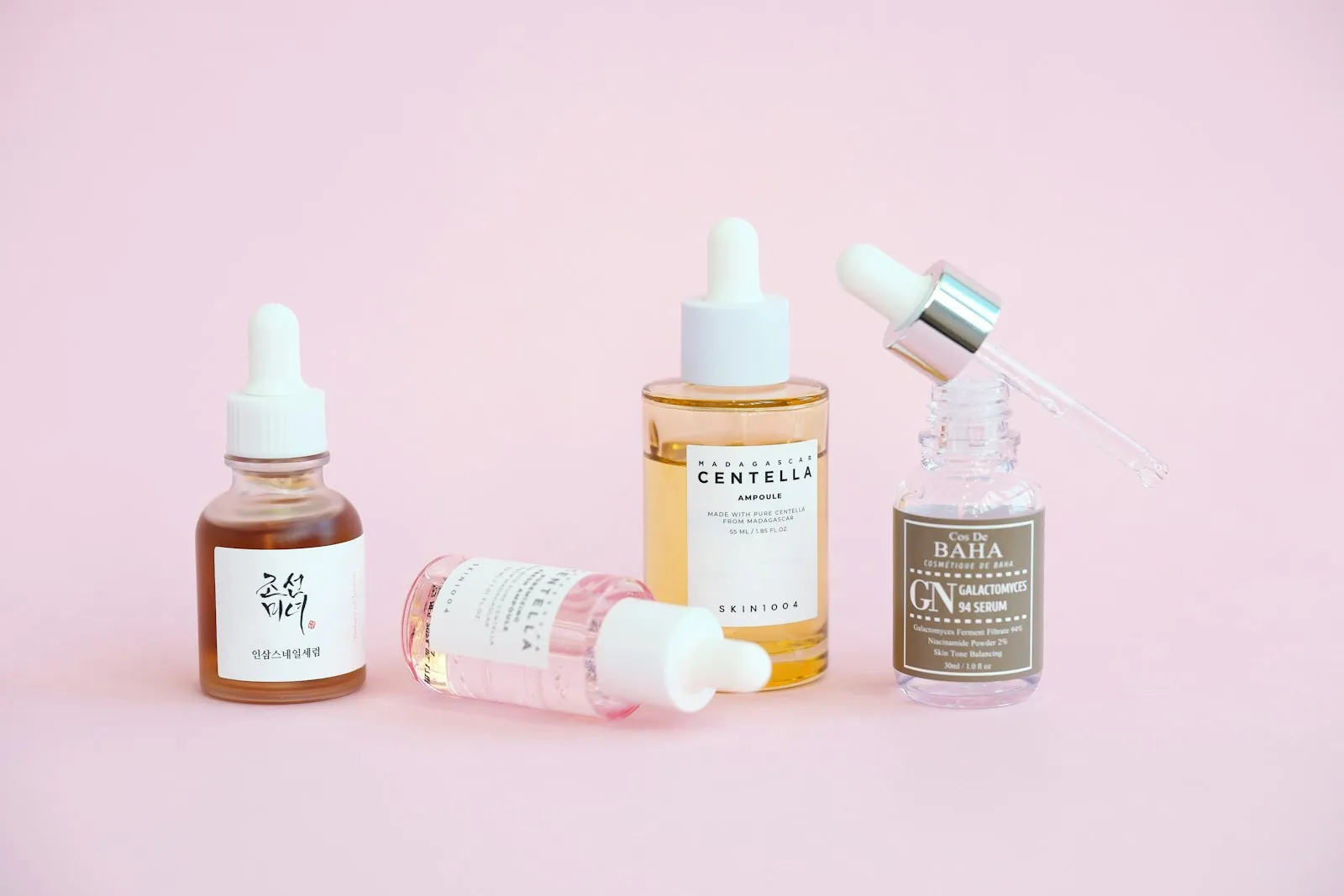
Fake Korean skincare and makeup have surged across global online marketplaces in 2026, and Korean customs and intellectual property officials now treat it as a measurable, growing problem rather than a rare scam story. If you buy K-beauty from anywhere other than a brand's own site or an established retailer, it is worth knowing how big this has gotten and what actually separates a fake from the real thing.
How big is the counterfeit problem right now?
Personal Care Insights, citing Korea Customs Service data, reported that China accounted for 97.7 percent of counterfeit Korean-brand goods seized last year, and that cosmetics were the single largest category of fakes. Korean authorities removed more than 210,000 counterfeit items across all sectors in 2025, including over 36,000 beauty products, and intercepted roughly 20,000 fake cosmetics in just the first half of 2026. Genuine Korean cosmetics exports reached 7 billion US dollars in that same six month period, so the legitimate market and the counterfeiters trying to ride on it have been growing side by side.
Which brands and shops are being copied?
The targets are not only small or niche labels. Personal Care Insights reported that a Chinese retail chain calling itself Only Young has copied Olive Young's name, logo, colors and store displays, and that counterfeit Medicube products were seized by Romanian customs at Timisoara Airport. Fakes have also moved through major platforms including Amazon, eBay, TikTok Shop, Temu, Tokopedia and Douyin, so a familiar marketplace name is not on its own proof that a listing is genuine. A case handled by Incheon Regional Customs last year involved more than 7,000 Chinese made knockoffs sold at less than half their normal retail price, which lines up with one of the simplest warning signs: a price that looks too good even by K-beauty's usually friendly standards.
What is Korea actually doing about it?
In July 2026, Korea's Intellectual Property Office ran a public campaign called K-Brand Guardian Angels outside an Olive Young flagship store in Seoul's Seongsu-dong, setting up side by side displays of genuine and fake cosmetics so passersby could test whether they could tell the difference.
KIPO commissioner Kim Yong-sun said, "We want to foster a culture where consumers actively participate as guardians of these brands."
The agency also pointed visitors to its expanded online reporting portal, where shoppers can flag suspected counterfeits found on global e-commerce sites or at retailers outside Korea. Sungshin Women's University professor Seo Kyoung-duk, who took part in the campaign, framed the stakes in cultural terms.
Seo Kyoung-duk said, "Protecting our intellectual property rights is vital for sustaining the Korean wave."
Separately, Personal Care Insights reported that Korea is building a state backed system to register government certified trademarks in more than 70 countries, due for full deployment in October 2026, which would let Korean authorities request investigations and customs seizures abroad whenever a certified product turns up faked.
What this actually means when you are shopping
None of this means K-beauty bought online is unsafe by default, but it does mean the basic precautions are worth taking seriously. Authorities note that counterfeit cosmetics are not made under the same regulatory checks as genuine ones, and testing has turned up heavy metals and other unverified ingredients in fakes, which is a different kind of risk than simply receiving a weaker version of a product. Buying from a brand's own site or an established retailer remains the most reliable way to avoid the issue altogether, and a price that sits far below what the same item costs everywhere else is still one of the clearest signals that something is wrong. If a listing looks suspicious, KIPO's reporting portal is now open to shoppers outside Korea as well as inside it, not only to brands and customs officers.
Source: https://www.personalcareinsights.com/news/k-beauty-counterfeit-crackdown.html