

Essence vs Serum vs Ampoule: What Each K-Beauty Step Actually Does
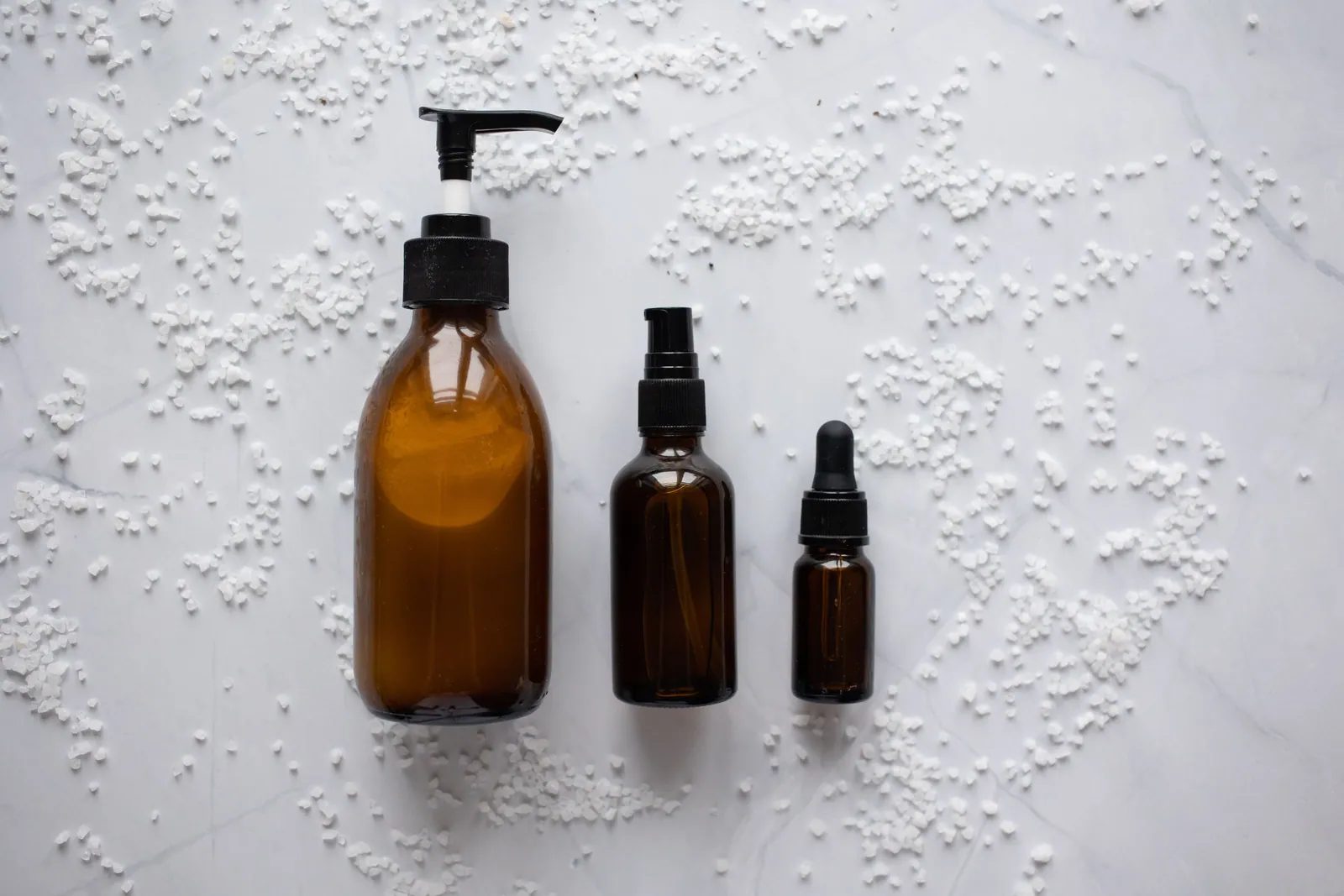
Essence, serum and ampoule get thrown around in K-beauty routines like three words for the same watery step, but they are not interchangeable. An essence is the thinnest layer, made mostly for hydration, a serum is thicker and built around a specific active ingredient, and an ampoule is usually just a brand's name for an extra-strength version of a serum. Board-certified dermatologist Dr. Jane Yoo puts the layering order plainly: thinnest to thickest, which means toner, then essence, then serum or ampoule, then moisturiser, with sunscreen added in the morning.
What Is an Essence For?
An essence sits right after toner and is built to be absorbed fast. It is mostly water with a small amount of active ingredients, so its job is prepping and lightly hydrating skin rather than treating a specific concern. Isntree's Hyaluronic Acid Water Essence, sold through YesStyle and StyleKorean, is a good example of the category: a thin, almost liquid texture meant to sink in within seconds before anything heavier goes on top.
What Makes a Serum Different?
A serum is thicker than an essence and carries a higher concentration of one or more targeted ingredients, whether that is vitamin C for brightening, niacinamide for texture or a fermented extract for barrier support. Mixsoon's Master Serum, for instance, centres on bifida ferment extract alongside hyaluronic acid and centella asiatica extract, and is positioned by the brand as a daily treatment step rather than a one-off hydration boost. Because a serum is formulated to address a specific concern, most routines only need one or two at a time, picked for whatever skin is actually dealing with that season.
Is an Ampoule Actually Stronger?
Sometimes, but not because the word ampoule means anything fixed on its own.
According to Dr. Jane Yoo, a board-certified dermatologist and Mohs surgeon, "ampoule" isn't a regulated term, so check the actual active ingredient percentage rather than assuming based on the name.
In practice, that shows up on real shelves. AXIS-Y's Artichoke Intensive Skin Barrier Ampoule and numbuzin's No.3 Pore Reset Ampoule Shot are both labelled as ampoules, yet read almost identically to a treatment serum once you check what's actually in the bottle and how concentrated it is. A reader-advice column on the K-beauty retailer site Soko Glam goes even further, treating serum and ampoule as the same routine step and telling shoppers to apply whichever one they own after essence and before moisturiser.
How to Tell From the Ingredient List, Not the Name
The clearest way to tell where a product actually belongs is to read the first five ingredients rather than the word on the front. In the United States, the FDA requires that cosmetic ingredients sold at retail be listed by their common names, generally in descending order of predominance, which means whatever is listed first makes up the largest share of the formula. A product where water or a plant extract leads the ingredient list, with the named active sitting further down, is going to behave more like a lightweight essence even if the box calls it a serum. One where a named active appears near the top, right after water, is doing more concentrated work regardless of what the front label promises.
So What Order Should You Actually Follow?
The rule that holds up regardless of what a bottle calls itself is texture, not terminology: apply the thinnest formula first and the thickest last. That means toner, then essence, then a serum or ampoule, then moisturiser, with sunscreen layered on as the final step each morning. If a routine includes more than one serum-type product, the same thin-to-thick logic decides which goes first, not whichever one is labelled with the more dramatic name.
Do You Need All Three Steps?
No single routine needs an essence, a serum and an ampoule running at the same time. Essence is the easiest to treat as optional, since its main job, light hydration, overlaps with what a good moisturiser already does. A serum chosen for an actual concern is the step worth prioritising, and an ampoule is better treated as an occasional, short-term addition for when skin needs an extra concentrated push, rather than a permanent fourth step bolted onto an already long routine.
The most useful habit isn't memorising which category a product falls into, it's reading the ingredient list and checking where the active percentage sits, since on an unregulated label like ampoule, that information tells you more than the name on the bottle ever will.
Source: https://www.janeyoomd.com/k-beauty/essence-vs-serum-vs-ampoule-whats-actually-the-difference/