

Korean Blush Placement, Explained: Cheekbone Draping vs. the Under-Eye Flush
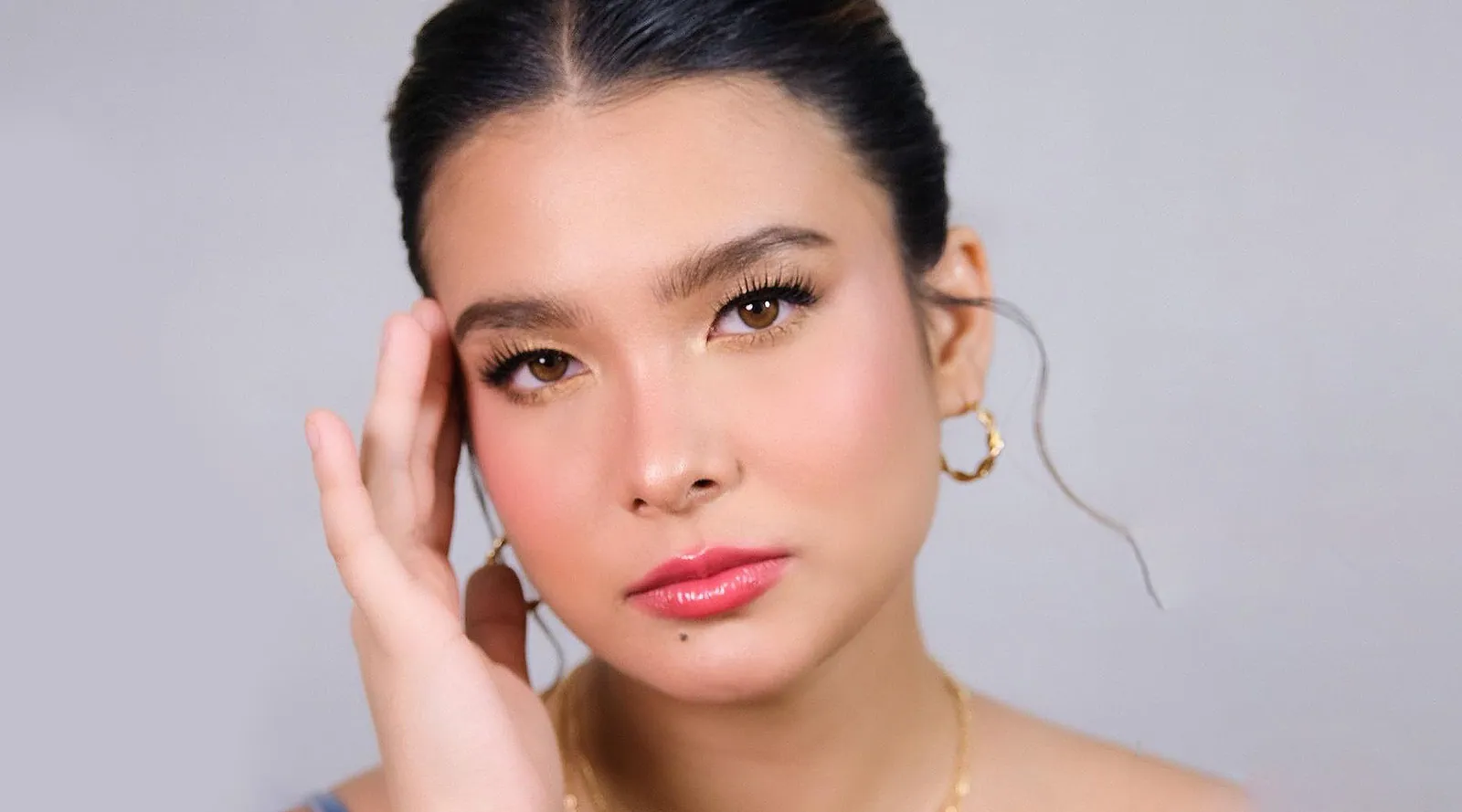
If you keep seeing the phrase "Korean blush placement" on your feed, it usually points to one of two different techniques: a cheekbone-to-temple sweep that beauty editors call draping, or a softer wash of color that spreads from under the eyes down toward the bridge of the nose. They sit on different parts of the face, they create different effects and they come from different sources, so it helps to know which one you are actually trying to copy before you pick up a brush. Both skip the classic circle-on-the-apples placement most of us learned first, which is exactly why they photograph differently.
What Is Blush Draping?
Draping, sometimes called blown out blush, moves color off the apples of the cheeks and stretches it up toward the cheekbone and temple instead. The idea is to use blush the way a makeup artist might use bronzer, as a sculpting tool rather than just a flush of color.
According to L'Oreal Paris's beauty magazine, blush draping "consists of applying blush on the cheekbones to sculpt your features."
L'Oreal Paris's own walkthrough starts with a light base of foundation or tinted moisturizer, then applies bronzer and highlighter first if you are wearing them, so the blush goes on last and blends in seamlessly. Color goes lightly on the apples of the cheeks first, then builds up along the cheekbone, with a bit more added at the temples and just under the outer corners of the eyes. For a fuller effect, you can blend the top edge into your eye makeup with a fluffy brush. Because blush tends to fade before the rest of a look does, a setting spray at the end helps it hold.
PureWow's version of the technique pushes the color even higher, brushing it along the top of the cheekbone and up toward the eye, further than the ends of the eyebrows in some cases. Its writers also recommend a fan brush for the highlighter step, dusted onto the ridge of the cheekbone but kept lower than where the blush reaches, since highlighter that high can read as shiny rather than sculpted.
The Under-Eye Flush: A Different Kind of Blush Placement
The second technique works almost in reverse. Instead of sweeping up and out, color is swept under the eyes, across the upper cheeks and over the bridge of the nose. The beauty outlet Mega Asia, which covers Japanese and Korean beauty trends, describes the result as a healthy-looking flush with a softer, more sculpted finish than a plain circle of blush on the cheeks, and says it can help balance out redness elsewhere on the face.
Mega Asia traces the look to Japanese makeup artist Igari Shinobu and describes it as a technique mostly seen in Japanese and Korean makeup styles. That is a description of where the technique shows up in beauty coverage, not a claim that it is universal, so treat it as one popular approach rather than something every Korean woman does.
Draping or Under-Eye Flush: Which One Fits Your Look?
Draping reads more structured. Because the color moves up and out toward the temple, it tends to elongate the face and pairs naturally with contour or bronzer, which is why it shows up often in more polished, editorial-leaning makeup looks. The under-eye flush reads softer and more like your own skin doing the work, which makes it a fit for lighter, no-makeup makeup days when you want color without an obvious sculpted shape. Neither technique is tied to a specific blush formula or brand, since placement is what changes the result, not the product itself.
Getting Either Technique Right
A fan brush or a soft, fluffy brush helps diffuse the edges on both techniques so the color does not sit as a hard line. Cream or liquid blush tends to suit the under-eye flush well, since it melts into skin and mimics a natural flush, while powder blush can hold its shape better for the more defined lines that draping relies on. Whichever you try, apply less than you think you need at first. Both techniques build color in layers rather than relying on one heavy swipe, and it is far easier to add more blush than to take it back off. If the edges still look too graphic once you are done, go back over them with whatever brush applied your base makeup, since a few seconds of extra blending does more than switching products ever will.
Source: https://www.purewow.com/beauty/korean-beauty-blush-tutorial