

The Best K-Beauty Routine for Oily and Combination Skin
The best K-beauty routine for oily and combination skin is simple: a gentle double cleanse at night, a lightweight toner, a mild BHA exfoliant two or three nights a week, a gel or lotion moisturizer and a sunscreen every morning. The goal is a balanced, comfortable face, not a stripped one, and that is the idea this whole routine is built around.
Oily and combination skin usually means a shiny T-zone, larger looking pores and a tendency toward clogged spots, sometimes with cheeks that feel perfectly normal or even a little dry. That mix is exactly why a one-size-fits-all harsh routine tends to backfire.
Why do oily skin types still need moisturizer?
Skipping moisturizer is the most common oily-skin mistake, and K-beauty is built to avoid it. Korean routines layer thin, water-based products instead of one heavy cream, so your skin gets hydration without the greasy film.
When a face feels tight after cleansing, many people reach for even stronger oil-fighting products, which creates a cycle of overdoing it. A light gel moisturizer keeps the routine comfortable enough that you actually stick with it.
Step 1: Cleanse in two rounds at night
At night, start with an oil or balm cleanser to melt sunscreen and makeup, then follow with a gentle water-based foam or gel cleanser. Oil cleansers sound scary on oily skin, but oil dissolves oil and sunscreen very well, which is why double cleansing is a K-beauty staple.
In the morning, a splash of water or a quick pass with a mild gel cleanser is plenty for most people. Washing more often than that rarely helps and can leave skin feeling uncomfortable.
Step 2: Pick a light toner that is not a drying astringent
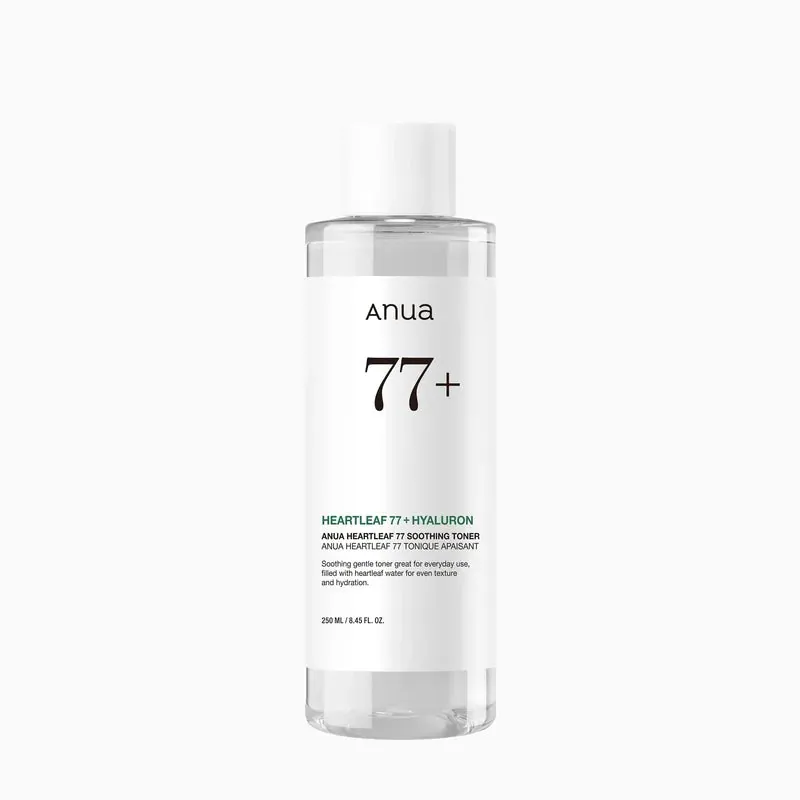
Modern Korean toners are hydrating, watery prep steps, not the alcohol-heavy astringents of the past. A popular example is the Anua Heartleaf 77% Soothing Toner, a 250 ml bottle built around 77% Houttuynia cordata (heartleaf) extract with a pH of 5.5, according to retailer listings.
You can pat it on with clean hands or a reusable cotton pad. Whichever product you choose, check the bottle for the official ingredient list, since formulas can change.
Step 3: Add a gentle BHA a few nights a week
BHA is a favorite for oily skin because salicylic acid is oil-soluble, so it works inside the pore lining instead of only on the surface. One well-known K-beauty option is the COSRX BHA Blackhead Power Liquid, a 100 ml bottle that lists 4% betaine salicylate, 68% willow bark water and 2% niacinamide on Ulta's product page.
Start with two nights a week, applied after cleansing and before moisturizer, and only increase if your skin stays calm. Keep it away from the cheeks if they run dry, and never layer several exfoliants on the same night.
Step 4: Choose a gel moisturizer and a comfortable sunscreen
Look for words like gel, water cream or lotion on the label and skip thick balm textures unless your cheeks are truly dry. Hyaluronic acid, panthenol and niacinamide are common ingredients in this style of moisturizer, and they feel light on the skin.
Sunscreen is the step that matters most, and it is also where oily skin types give up first. Try a few Korean sunscreens labeled as lightweight, watery or matte and keep the one you will actually wear every day, with a broad spectrum SPF 30 or higher.
Is a combination skin routine different from an oily one?
Slightly. If you have combination skin, the same four steps work, but treat each zone on its own terms. Apply BHA only to the oily T-zone and give the cheeks a slightly richer layer of moisturizer.
This zone approach is an easy way to avoid one-size-fits-all products, and it costs nothing extra. You just apply different amounts in different places.
A simple oily skin routine at a glance
Morning: rinse or use a gentle cleanser, apply a light toner, add a gel moisturizer and finish with sunscreen. Night: oil or balm cleanser, water-based cleanser, toner, BHA two or three nights a week, then moisturizer.
Introduce one new product at a time and give each about two weeks before judging it. If your skin is irritated or you are dealing with persistent breakouts, a dermatologist is the right person to ask, not a routine guide.
This article is for general information about routines and does not make claims about treating any skin condition. Product details come from retailer listings and may change, so always check the packaging of what you buy.
Source: https://www.ulta.com/p/bha-blackhead-power-liquid-xlsImpprod15641056