

What 'Chok-Chok' and 'Gwang' Actually Mean in Korean Beauty
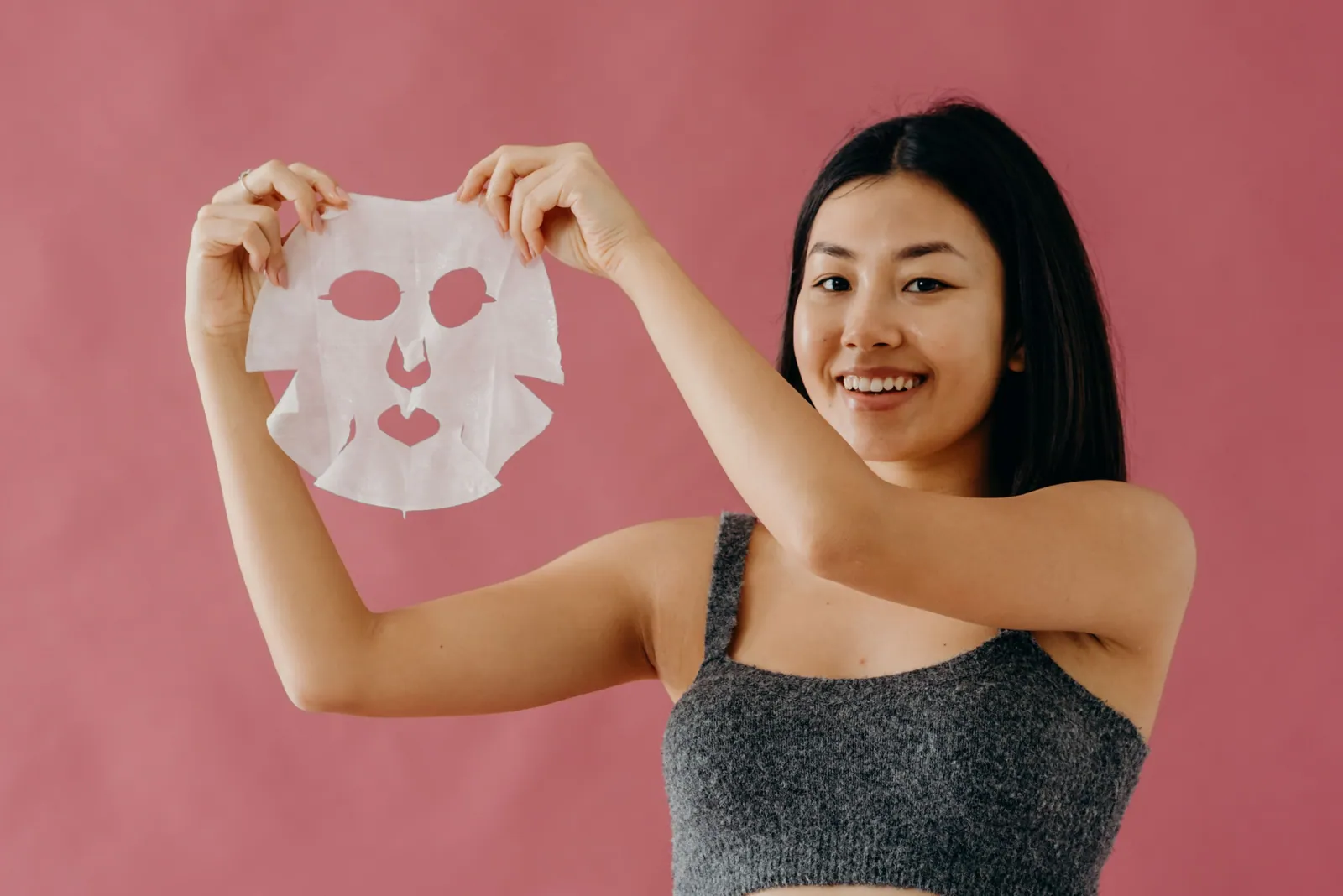
Chok-chok (촉촉) is the Korean word for skin that looks and feels moist, dewy and slightly plump, not just shiny. Gwang (광) is the broader term for glow itself, a root word that Korean beauty media attaches a prefix to in order to describe exactly what kind of shine a face has. Both words turn up constantly on Korean skincare packaging, in K-beauty reviews and across Korean beauty content online, so understanding them actually helps when you are trying to work out what a product or a look is promising.
What Does Chok-Chok Mean, Exactly?
The K-beauty glossary site BeautyTap, in a 2018 explainer by writer Angela Son, describes chok-chok as the look and feel that a moisturiser or hydrating mask is meant to leave behind: skin that reads as damp and dewy rather than simply glossy. Singapore lifestyle magazine Her World frames the word in a similar way, noting that its root verb, chokchokhada, literally means hydrated, which makes chok-chok something like an affectionate, slightly exaggerated way of saying deeply moisturised. Neither source treats it as a clinical or measurable skin state. It is descriptive language drawn from how Korean consumers and beauty media talk about a finish, not a scientific category.
Gwang Is the Umbrella Word, and It Comes With Prefixes
Gwang on its own just means shine or glow, and BeautyTap calls it an umbrella term for radiant, glowing skin generally. What makes Korean beauty vocabulary more specific than the single English word glow is that gwang rarely stands alone in K-beauty writing. It is normally paired with a short prefix that narrows down where the glow is supposed to come from or what it is meant to look like, which is why you will see several different gwang terms rather than one.
Sok-Gwang, Mul-Gwang, Kkul-Gwang and Yun-Gwang
According to BeautyTap's glossary, sok-gwang (속광) uses sok, meaning inside, for a glow and dewiness that looks like it is coming from within the skin rather than sitting on top of it. Mul-gwang (물광) uses mul, meaning water, for skin that looks replenished to the absolute max with hydration, the wettest-looking end of the gwang scale. Kkul-gwang (꿀광), from kkul, meaning honey, is a richer, glossier shine that the glossary compares directly to the sheen of honey. Yun-gwang (윤광) works differently again: BeautyTap describes it as shine built by highlighting specific high points of the face, such as the bridge of the nose, the cheekbones and the cupid's bow, and notes it is sometimes nicknamed '3D-gwang' because it comes from technique as much as from hydration.
How This Differs From Glass Skin
Glass skin is the term that reached English-language beauty coverage first, and it describes something more specific than chok-chok or gwang on their own. Her World notes that the glass skin look is known in Korean as yuri pibu, with pibu meaning skin, and treats it as a step beyond ordinary dewiness: an almost poreless, translucent finish rather than radiance in general. Put simply, a yuri pibu look will usually involve some form of gwang, but not every gwang look is aiming for glass skin specifically. Chok-chok and the gwang family describe a broader, more attainable range of healthy-looking glow, while glass skin names one particular, harder-to-reach version of it.
Why It's Worth Knowing These Words
None of these terms are regulated or clinical, and no product can promise a specific one of them on anyone's skin, since the finish you get depends on skin type, routine and lighting as much as on the formula itself. What the vocabulary is useful for is translation. Korean skincare and makeup names often borrow these words directly, and Korean beauty reviews, whether on a retailer's product page or in Korean beauty video content, lean on them constantly to describe a finish in a way that a generic word like 'glowy' does not capture. Recognising sok-gwang, mul-gwang, kkul-gwang and yun-gwang means you can tell what a product or routine is actually going for, instead of assuming every mention of glow means the same thing.
One More Term Worth Knowing: Taeng-Taeng
Not every K-beauty word is about shine. BeautyTap's glossary also lists taeng-taeng (탱탱), which has nothing to do with glow and instead describes skin that looks firm, taut and bouncy. It is a useful reminder that Korean beauty vocabulary treats texture and radiance as two separate goals, where English-language beauty writing often folds both into the single word 'glowing'.
Source: https://community.beautytap.com/2018/03/k-beauty-slang-101/